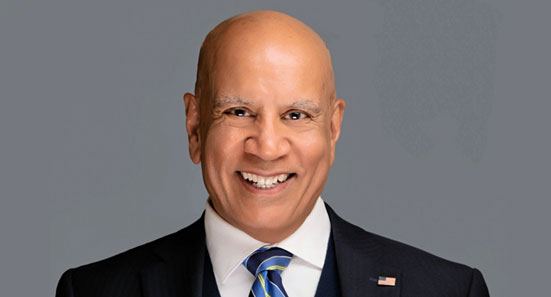
9/11 changed Kshemendra Paul’s career. He wanted to help, he wanted to be a part of the solution. And he walked away from a career in technology companies and became a public servant. As he sees it, a higher calling.
GoodGovernmentShow.com Thanks to our sponsors:
The Royal Cousins: How Three Cousins Could Have Stopped A World War by Jim Ludlow
- HelloNation
- Ourco
- Good News For Lefties (and America!) – Daily News for Democracy (Apple Podcasts | Spotify)
- How to Really Run a City
- Leading Iowa: Good Government in Iowa’s Cities (Apple Podcasts | Spotify)
The Good Government Show is part of The Democracy Group, a network of podcasts that examines what’s broken in our democracy and how we can work together to fix it.
Executive Producers: David Martin, David Snyder, Jim Ludlow
Host/Reporter: David Martin
Producers: David Martin, Jason Stershic
Editor: Jason Stershic
Transcription
00:00:00:01 – 00:00:03:14
David Martin
This is the good government show.
00:00:03:19 – 00:00:32:51
Kshemendra Paul
I’m finishing up 20 years of government service the back half of my career. First half I was a technologist, an entrepreneur who, like a lot of folks, I came to government post 9/11, came in in 2005 wanting to be a part of something bigger than myself. Part of the solution to. I was the assistant inspector general for Cyber assessments and data analytics at the Department of Energy.
00:00:32:56 – 00:00:55:29
Kshemendra Paul
I want to do my job. I believe in the mission of efficiency and effectiveness. My job is fighting Broadway subversion. I’m into it. I want to do that. You know, after 20 years, there’s a degree of discouragement, disillusionment, disappointment that we’re not further along.
00:00:55:33 – 00:01:01:50
Kshemendra Paul
Transparency, participation. Collaboration drives trust. That’s the for.
00:01:01:55 – 00:01:17:05
David Martin
One of the best parts of hosting a good government show is getting to meet people in government. You don’t normally get to meet. On today’s episode, we’re going to meet one of those guys. Welcome to the Good Government show. I’m Dave Martin. First, help us show the message of good government by liking us and sharing us where we are on social media.
00:01:17:10 – 00:01:37:00
David Martin
Make sure review us and send our show everywhere. We all need to talk about good government. Chandra Paul recently retired from public service. His last job was assistant inspector general for Cyber assessments and data analytics. His job was to make sure the department ran well and to root out fraud, waste and abuse. That’s the job of an inspector general.
00:01:37:15 – 00:01:58:26
David Martin
It was the last of six different positions he held in federal government. However, the current administration decided to remove some 18 top inspector general’s from across multiple agencies. That, as you will hear, is not good government. Listen to what someone with 20 years experience in government has to say about the role of Inspector General. When we lose people like Chanderpaul in government service, we all lose.
00:01:58:40 – 00:02:20:17
David Martin
I got to talk to him recently at the annual conference for the National Academy of Public Administration. He’s now a fellow there. This will allow him to pass on his experience to a new generation of public servants. And that’s good government. And that’s coming up after this. We have a new partner here in the Good Government Show. Hello, nation.
00:02:20:31 – 00:02:43:57
David Martin
This is a new digital magazine that showcases the best of cities across the nation. We’d all prefer if good news traveled faster. And hello, nation. Positive stories don’t just get told, they get amplified. Hello nation helps businesses, leaders and communities share positive stories that matter building trust, credibility and meaningful connection through professionally produced podcast, digital features and targeted distribution.
00:02:44:12 – 00:03:08:33
David Martin
Hello nation positions you is the answer regular folks are looking for while expanding and scaling your digital footprint across the platforms that people trust. Good news deserves momentum. Your city or your business can help spread the word of good news across the nation and hello nation! They don’t just have advertisers, they have advertisers. Editorial content from trusted community leaders and cities that are helping spread the good news.
00:03:08:37 – 00:03:30:08
David Martin
Let Hello Nation lift you up and lead the conversation. Visit Hello nation.com to learn more. Once you wrap up this episode of The Good Government Show, give a listen to our friends over at Good News for lefties. This daily podcast highlights news stories that show there’s more good news out there. Other people in government are really trying to do the right thing.
00:03:30:21 – 00:03:49:28
David Martin
That’s good news for lefties. Listen, we’re listening now. Welcome to the Good Government show I’m happy to have with you is my guest, Shimon Dra. Paul. He’s a former inspector general with the Department of Energy and a new fellow at the National Academy in Public Administration. We here at the National Conference. Welcome to the show, Dave.
00:03:49:28 – 00:03:59:25
Kshemendra Paul
Thank you for having me. I really appreciate it. I am here in my personal capacity. I just make that clear. Yes. Yeah. I’m eager to talk to you and your audience.
00:03:59:27 – 00:04:05:29
David Martin
Good. So you have quite a background in government service? Give our listeners a resumé. Tell us who you are.
00:04:05:39 – 00:04:28:10
Kshemendra Paul
Sure. I’m finishing up 20 years of government service. The back half of my career. First half, I was a technologist. And entrepreneur. Spent time in, the San Francisco Bay area, had some success, but came back east to raise kids close to family with my wife. Like a lot of folks, I came to government post 911 came in in 2005 wanting to be a part of something bigger than myself.
00:04:28:10 – 00:04:45:42
Kshemendra Paul
Part of the solution came in to the Department of Justice. I was a chief Enterprise architect there that worked there for two years, pioneered something called the National Information Exchange Model law enforcement counterterrorism data standards across the country. Based on that success, I got pulled up to OMB. Is that now?
00:04:45:44 – 00:04:50:23
David Martin
That way. Let’s slow down. Yeah, that sounds like a big thing. What did you actually do?
00:04:50:28 – 00:04:51:11
Kshemendra Paul
00:04:51:16 – 00:04:58:08
David Martin
One of the problems at 911 and 911 exposed was different agencies weren’t necessarily talking to each other. Did you fix that?
00:04:58:17 – 00:05:19:18
Kshemendra Paul
I contributed to that with a lot of other stakeholders and fellow travelers. You know, the key innovation with the Nie National Information Exchange model was the approach we took to governance. How do we collaborate? How do we agree on common minimum standards so that we can speak the same language when we share information for effect, to be able to protect people?
00:05:19:23 – 00:05:34:44
Kshemendra Paul
So it was, a semantic interoperability like a Rosetta Stone, if you like, for IT systems, but across multiple levels of government, across sectors of government related to, you know, the directly related to the challenges of, you know, post 911.
00:05:34:53 – 00:05:37:53
David Martin
Did you find everyone was working nicely together?
00:05:37:58 – 00:05:41:07
Kshemendra Paul
You know, my my superpower is, I know how to get in front of a parade.
00:05:41:11 – 00:05:42:20
David Martin
I, I.
00:05:42:25 – 00:06:00:26
Kshemendra Paul
I think I was able to there was a lot of emotion, a lot of energy, good energy. People did want to want to fix the problem, right? My contribution was to bring everybody together, state and local stakeholders, federal stakeholders, and deliver a program.
00:06:00:28 – 00:06:03:48
David Martin
And these are all people in government service who trying to we’re trying to make a difference.
00:06:03:53 – 00:06:21:09
Kshemendra Paul
At all levels of government. You know, I was in the Department of Justice, but I worked with the departments, the Attorney General’s Advisory Committee, the goal of a justice information sharing initiative with partners over in Homeland Security, a new agency at the time that were coming together. And so NEM is still in operation today.
00:06:21:22 – 00:06:21:55
David Martin
Okay.
00:06:21:59 – 00:06:23:56
Kshemendra Paul
It’s the, you know, so.
00:06:23:56 – 00:06:25:57
David Martin
You got in front of the parade. Is the parade still continues? Yeah.
00:06:25:57 – 00:06:36:03
Kshemendra Paul
The parade is continuing, and I’m still, you know, involved with them. But, you know, after a couple of years, I got pulled up to OMB, at the end of the Bush administration, federal chief architect.
00:06:36:08 – 00:06:36:51
David Martin
Management budget.
00:06:37:06 – 00:06:56:36
Kshemendra Paul
Yeah. The Office of Management and Budget within the white House. Right. The management side was there for three years, two administrations, four budgets left that role under President Obama. I was designated by the president as the government, really, for information sharing, working again, the same nine over 11 kind of issues, but this time as the executive branch lead.
00:06:56:43 – 00:06:58:07
David Martin
Is this all good government?
00:06:58:12 – 00:07:17:12
Kshemendra Paul
This is great government. This is government reform. This is knitting together an architecture that protects privacy, civil rights and civil liberties at the same time, ties together a million officers. And, you know, law enforcement into a common architecture, that, keep, keep our community safe.
00:07:17:17 – 00:07:28:03
David Martin
I understand from there, you went to the Department of Energy, and I think, you’re the mayor. I want to make sure I get your title right. So why don’t you tell me your title so I will get it wrong later?
00:07:28:08 – 00:07:52:27
Kshemendra Paul
Yeah, a little bit later in the journey, I was the inaugural chief data officer at VA and had a couple of other, stints. But yes, at the end of my career, I was the assistant inspector general for cyber assessments and data analytics at the Department of Energy. You know, I worked for the, the inspector general herself and the, her deputy, who was the senior career official in that agency.
00:07:52:32 – 00:08:04:28
Kshemendra Paul
We had oversight over the programs and operations of the entire Department of Energy, the national labs that includes, nuclear weapons complex, the science complex, the environmental mission.
00:08:04:33 – 00:08:15:32
David Martin
So there’s been a lot of news about Inspector General’s. A lot of them have left. A lot of them have been let go. A lot of them have been slashed. What does that do to the agencies they serve?
00:08:15:36 – 00:08:22:09
Kshemendra Paul
It’s. And again, I’m speaking in my personal capacity, not on behalf of any government agency, but it’s,
00:08:22:14 – 00:08:23:56
David Martin
It’s I mean, it’s viewed.
00:08:23:56 – 00:08:48:07
Kshemendra Paul
As a blow to the independents. So key to the inspector general complex. And it was President Carter that, you know, signed the legislation to design the modern, inspector General complex, across the government. The key is independence. We are part of the establishment. We have access to the information, the books and records at the same level as the secretary of the establishment.
00:08:48:07 – 00:08:48:33
David Martin
Okay.
00:08:48:45 – 00:09:03:43
Kshemendra Paul
But we are, you know, as an ECG, as an inspector general, you make independent, determinations of risk. It’s all risk based. And then you do your oversight, whether it’s inspections, investigations or audits.
00:09:03:48 – 00:09:07:38
David Martin
The how important how important is that? Is it that you’re independent?
00:09:07:47 – 00:09:33:45
Kshemendra Paul
It’s critical. It makes all the difference. So that was the key innovation that President Carter pushed with the inspector General act. Now because we’re independent, we’re able to provide that objective, nonpartisan view. We’re able to call balls and strikes. I say we but the inspector General Corps, looking at the programs and operations of the department, we’re able to again, in it, you know, in a risk based way using standards.
00:09:33:50 – 00:10:08:31
Kshemendra Paul
We have standards. The inspector general’s do around how you do investigations, how you do audits, how you do inspections to make sure that they are high quality, independent, objective and fair, and, you know, provide that feedback back to the administration, the, the agency agency leadership and the Congress. Right. That’s the other thing that was kind of unique about it is, is there’s a dual reporting relationship where we are part of the establishment, part of the agency, but we also share the information that we generate, the reports and the like with, with the Congress.
00:10:08:36 – 00:10:17:39
David Martin
And without that, if there are new Inspector general’s independent inspector general’s, does that hurt government? And more importantly, does that hurt the citizens?
00:10:17:44 – 00:10:27:01
Kshemendra Paul
So my my former colleagues are, you know, doing their level best. And there are, still inspector general’s a very small number that are still in the job.
00:10:27:16 – 00:10:27:37
David Martin
Can’t be.
00:10:27:37 – 00:10:36:54
Kshemendra Paul
Easy. It creates, a headwind. It creates a challenge, in my view. Okay. Again, in my personal capacity, I think that’s absolutely the case.
00:10:36:58 – 00:10:48:04
David Martin
You know, I think there’s probably a lot of people who, you know, maybe heard the title inspector general, but didn’t really know what it was until all of a sudden several got fired, removed, quit. What’s the role?
00:10:48:09 – 00:11:17:32
Kshemendra Paul
Well, we’re supposed to help identify fraud, waste and abuse, but also promote efficiency, economy and effectiveness in the establishments. We are a part of. Right? So we do that through audits, performance audits, looking at programs and how they’re operating. Can they move more efficient or effective or is there fraud, waste and abuse? We do it through inspections that are usually are predicated by a hotline complaint, things like that.
00:11:17:37 – 00:11:35:48
Kshemendra Paul
We also are a law enforcement entity. We do investigations, public corruption, fraud, procurement, collusion, research, security, all of those sort of things. Complex investigations based on, credible, you know, predication.
00:11:35:57 – 00:11:46:14
David Martin
It sounds like if you wanted to, reform government or streamline government or improve government, you would start with what? What is the inspector general’s think not get rid of them.
00:11:46:25 – 00:12:13:24
Kshemendra Paul
Well, so if I go in the Wayback machine back to again in my personal capacity, back to December, back to November, back to January, there was a high degree of optimism and excitement about collaborating with Doe’s, the Department of Government Efficiency, based on their written description, based on the executive orders that were promulgated by by the president.
00:12:13:29 – 00:12:43:27
Kshemendra Paul
Dogen practice was a little different than perhaps I understood. Doe’s to be in, you know, in the, in the, in the, in the in the documents that described his creation. Yes. We were very excited. I can speak, I think, on behalf of a lot of my colleagues across the government with the idea that, our focus area, our mission of, you know, we in many ways, the IGS were the OGs, the original gangsters of, of efficiency.
00:12:43:32 – 00:12:45:46
David Martin
You seem like a gangster. Good cop.
00:12:45:51 – 00:13:13:14
Kshemendra Paul
That’s, Yeah. Thank you, I appreciate that. You know, together with our colleagues in the General Accountability Office, we have a lot of insight into opportunities to improve. A lot of that is in our products, you know, the products that we produce. But their standards based. There’s a certain tone that’s taken that’s, you know, think about the classic jail report headline, right?
00:13:13:29 – 00:13:35:41
Kshemendra Paul
Problems, Tigers progress made opportunities to improve. Right? Right. You know, we have to say, because we’re fair and evenhanded. But at the same time, IGS and Gao have a deep understanding of the risks of the of the programs and operations in the department. And you want to take a risk based approach, and you want to because you can’t do everything all at once, all the time.
00:13:35:41 – 00:14:01:53
Kshemendra Paul
You have to start to prioritize risks, right. And work your way down. And, and you can start to do multiple things, but it has to be systematic about it. And I think, again, my personal opinion, personal perspective, an opportunity was missed to leverage a great store of knowledge. Now, as time has gone on, I understand the administration has been more interested in learning about IG reports, Gia reports.
00:14:01:58 – 00:14:12:35
Kshemendra Paul
I’ve heard, Comptroller General Gina Daro give credit to those to the administration. As time went by for engaging on Gia reports and findings.
00:14:12:49 – 00:14:21:52
David Martin
So after the initial burst, some people said maybe we should look a little closer to what the issues are actually saying and doing, rather than just the previous approach.
00:14:21:52 – 00:14:29:38
Kshemendra Paul
Yeah, I, I don’t have complete visibility into the internal machinations of Dodge. Okay. So I can’t really speak to, you know, the degree to which they did their diligence.
00:14:29:38 – 00:14:34:06
David Martin
But it sounds like that’s what you’re saying is it’s like, okay, well, let let’s let’s look into this a.
00:14:34:06 – 00:14:38:09
Kshemendra Paul
Little bit as a layperson, maybe, maybe as a layperson. I’m on the outside now, but.
00:14:38:09 – 00:14:48:01
David Martin
It sounds like at some point, you know, the the inspector general score, if it is, we’re like, oh, all right, government efficiency. Give us a call. Let’s, let’s, let’s get into this.
00:14:48:02 – 00:15:06:21
Kshemendra Paul
I can speak for me, share a story. I can speak to my personal journey. You know, I was excited about about Doge. I actually in my personal capacity back in December, you know, I, I went to the process in November, but I actually published an article in my personal capacity, and I went through all of the ethics reviews.
00:15:06:26 – 00:15:33:14
Kshemendra Paul
I checked in with my boss, the inspector general, Cherry Donaldson. I showed her the article. The title of the article was Government Reform starts with data and evidence. It was published in Federal News Network. I feel like I had the support of my agency, but I did it in my personal capacity, quite excited about, you know, the opportunity potentially to be a part of the conversation, with Doge this year is 20 years for me.
00:15:33:14 – 00:15:51:25
Kshemendra Paul
Yeah. I’m 62 notionally. I was going to retire at the end of the year, but I wanted to spring through the tape when the fork in the road email first came out said, I’m not going to take this. I want to do my job. I believe in the mission of efficiency and effectiveness. My job is fighting fraud, waste and abuse.
00:15:51:30 – 00:16:14:07
Kshemendra Paul
I’m into it. I want to do that. Then the IGS across the major agencies, most of them not all little a couple survived were, similar. The dismissed on a Friday evening and and that shook me. And I thought to myself, you know, core to the, the oversight mission is that independents, and maybe, there’s a message here.
00:16:14:12 – 00:16:18:40
Kshemendra Paul
At least I took a message and that it for my decision to go ahead and take the fork.
00:16:18:45 – 00:16:33:21
David Martin
Do you generally speaking, when you look at a government application or a government program or government departments, do you find on some level fraud, waste and abuse, or do you find it? Is there always a better way? I guess that’s my question to you all. Can you always find a better way?
00:16:33:26 – 00:16:47:04
Kshemendra Paul
You know, there is fraud, waste and abuse across the government. And, you know, you find that, especially large transformation projects, large acquisition projects always have problems and bumps and challenges. And I.
00:16:47:04 – 00:16:48:19
David Martin
Think everybody knowledge is good.
00:16:48:20 – 00:17:11:25
Kshemendra Paul
Yeah, yeah. I, I think the vast majority, you know, vast majority, vast majority of the public servants that I had the privilege to work with over my 20 years, they take the public integrity and public service mission seriously. That’s why they’re there. But in any large organization, you’re going to get dysfunction. You’re going to get folks.
00:17:11:25 – 00:17:12:57
David Martin
Nothing’s flawless, nothing’s perfect.
00:17:12:57 – 00:17:33:23
Kshemendra Paul
So you said, you know, follow the temptation. That’s why it’s so important that the tone at the top is set. That is reinforced by leadership that, you know, fraud, you know, waste and abuse are accepted and that, we want to do things in the proper way. We want to follow procedures and the like here at the conference.
00:17:33:23 – 00:17:55:00
Kshemendra Paul
We’re talking about the need to reform, perhaps even reboot public administration. I think there’s a lot of value. And and the message we’re hearing here at the National Academies Conference on both of those scores, and I think it has to be done carefully, and it has to be done with a public integrity, public service mission, service to citizen focus.
00:17:55:05 – 00:17:59:08
David Martin
Are you optimistic? Do you see a way out? Do you see a path forward?
00:17:59:13 – 00:18:02:22
Kshemendra Paul
I wouldn’t have stayed 20 years in government if I wasn’t optimistic.
00:18:02:32 – 00:18:02:50
David Martin
Okay.
00:18:02:58 – 00:18:37:00
Kshemendra Paul
Working, government reform, you know, leveraging data, information sharing and technology. So yes, I’m optimistic. I’m also clear eyed, you know, after 20 years, there’s a degree of discouragement, disillusionment, disappointment that we’re not further along. At the same time, it’s a complex world we live in. Sure. Right, right. The political polarization, the relentless march and accelerating march of technology and information, you know, sharing and information technology is, you know, is rare.
00:18:37:00 – 00:19:03:04
Kshemendra Paul
You know, it’s expressed in social media, cloud computing. Yeah. You know, with artificial intelligence, these are just it’s just going faster and faster. And any large institution struggles to struggle to keep up. But I am optimistic. You know, I, I do appreciate, what this administration has done to dramatically advance the conversation around reforming government, rebooting public service.
00:19:03:08 – 00:19:13:56
Kshemendra Paul
I’m not going to get into, you know, my thoughts on specifics, but I, I feel like the the window of what’s possible has opened up dramatically.
00:19:13:59 – 00:19:14:23
David Martin
Well, it’s.
00:19:14:23 – 00:19:15:36
Kshemendra Paul
Certainly the last ten months.
00:19:15:40 – 00:19:27:39
David Martin
Started a conversation about we got to make changes. Well okay. You know and then how we think those changes is whether it’s, I guess the fault line. Yes. But but certainly there’s a conversation around, hey, we got to make change.
00:19:27:50 – 00:19:50:44
Kshemendra Paul
And I’m a, I’m a former fed. Exactly. And I really want to, you know, use the moment to bring in our state and local tribal and territorial partners kind of a whole of government, whole of society approach on public service. It’s one of the things I love about this conference in the National Academy is that a third of its members are state and local government, a third are federal government, a third are academia.
00:19:50:49 – 00:20:06:10
Kshemendra Paul
And within that there’s nonprofit, you know, kind of and civic society types also. But, it’s it’s the right kind of mix to have that conversation and, incredible diversity of viewpoints to have that conversation, to contribute to it.
00:20:06:10 – 00:20:18:19
David Martin
At least I do want to ask, go back to something you said early on. You said the first half of your career, you were you were a data guy and you were doing, you know, data research. And then, you got into government. What made you get into government?
00:20:18:24 – 00:20:37:25
Kshemendra Paul
Yeah. So that’s interesting. You know, my very, very first job was a student intern at the National Bureau of Standards in a chemical kinetics lab. Okay. Recycle oil samples to help, you know, that was your first job. Yeah, yeah, I mean, I was a lab technician, okay. And, you know, so I was just, at automaton, lowest of the low.
00:20:37:36 – 00:20:56:29
Kshemendra Paul
But, yeah, that was my exposure to public service. I walked away from it. Never thought I would look back. You know, I was a tech guy. You know, grew up in the 70s. So I got enamored with the personal computer revolution and all that. So I went to California. But, yeah, the the events of 911 really shook me.
00:20:56:40 – 00:21:10:04
Kshemendra Paul
I didn’t know how to contribute at the time. A little bit later on, we ended up back in the DC area. And, you know, when the opportunity came to, you know, sort of be a part of the solution to be part of something bigger than myself. I jumped.
00:21:10:09 – 00:21:11:21
David Martin
And then 20 years.
00:21:11:21 – 00:21:13:30
Kshemendra Paul
Later, 20 years later, here I am talking to you.
00:21:13:30 – 00:21:39:24
David Martin
Here we are talking at the National Academy of Public Administration for yourself. All right. That was the easy part. We’re going to get to the hard part in just a minute. The Good Government Show is sponsored by our. That’s you are for our community. Get involved. We hear that all the time from government leaders. Our co-branded with your governments name and logo, your staff and the people you serve are connected and part of your community.
00:21:39:39 – 00:22:06:10
David Martin
From any device your members provide reliable data and meaningful feedback. Ask a question like, do we want more parkland or better homeless services? More engaged conversations come through the our app. Visit our Co that’s ou rco.com and book a demonstration. After you get done with this episode, hear more good government stories with our friends at How to Really Run a City for mayors.
00:22:06:10 – 00:22:32:23
David Martin
Kasim Reed of Atlanta and Michael Nutter, a Philadelphia, and their co-host, journalist and author Larry Platt. Talk with guests and other mayors about how to really get stuff done in cities around the nation. Check them out where you’re listening now or through their nonprofit news site, The Philadelphia Citizen. Dot org slash podcasts. So we put together a questionnaire to get to the heart of your thoughts on government.
00:22:32:23 – 00:22:38:04
David Martin
You 20 years in various levels, including the Department of Energy. What is good government defined.
00:22:38:05 – 00:23:13:57
Kshemendra Paul
Government is government is transparent. It’s government is participatory where it is government that’s collaborative. It’s open government. It’s government that’s responsive to the citizens. It’s government that does an effective job of managing resources, money. It, cyber security, things like that. The key is the transparency. I think people are open to seeing experimentation, potentially seeing failure, but they want to know that if you’re going to do an experiment, you have to be transparent about it.
00:23:14:10 – 00:23:28:18
Kshemendra Paul
You have to say it upfront. You can’t say it after the fact, you know, and there’s a failure. Oh, that was agile. No, no. You need to, you know, be transparent. Transparency, participation, collaboration drives trust. That’s the lifeblood.
00:23:28:22 – 00:23:34:14
David Martin
If people are frustrated with government at any level, that federal level is even harder. What should they do?
00:23:34:18 – 00:24:03:09
Kshemendra Paul
I think, number one, owe it to themselves and citizens to educate themselves on our civic democracy, our democratic republic. There was a discussion earlier today, professor, Frank Fukushima from, Stanford, right, was talking about, dissipation degradation in civics education. I think it’s important, number one, for folks to understand what it means to be a citizen and how our government works.
00:24:03:14 – 00:24:16:54
Kshemendra Paul
I don’t think that there is is widespread knowledge of that. I got to tell you, you know, for me, a turning point was when I was in the Boy Scouts as a teenager. No kidding. And, my favorite merit badge. Citizenship in the community, citizenship in the nation.
00:24:16:54 – 00:24:17:26
David Martin
I think I had.
00:24:17:26 – 00:24:37:33
Kshemendra Paul
Citizenship in the world. Yes. And and that really opened my eyes as a son of immigrants. You know, how do I connect the dots as a as an American? What does it mean? And, you know, I paid attention in high school civics and social studies and, you know, working in the government. I tell people that’s the funnest part of my job is every day.
00:24:37:38 – 00:25:06:33
Kshemendra Paul
Sometimes it feels like a lesson in civics. Right? So I think it’s important to educate yourself. A lot of government failings, as has been talked about at length here at the conference, might be because government is overregulated and you know, a lot of government failures might be transference. When people think about failures in government, maybe they’re thinking about the Congress or their political leadership, not, you know, the public administrators that are trying to implement and faithfully execute the laws.
00:25:06:35 – 00:25:14:47
David Martin
You talked about. You know, 911 was sort of a turning point for you that, you know, made you want to work with the government and help. But who inspires you?
00:25:14:51 – 00:25:38:06
Kshemendra Paul
You know, the guy I think about now the most that way. His name is Tom O’Reilly. He used to be the deputy attorney general in the state of new Jersey. He was on the job at 911. He was, the governor. And, you know, the attorney general at the time, you know, received 900 bodies at Liberty State Park across from lower Manhattan.
00:25:38:10 – 00:26:02:28
Kshemendra Paul
He interned, you know, led, you know, reforms and enhancements in the state of new Jersey. And then he came into the government and was a key partner of mine. He worked in the Bureau of Justice Assistance. So as I was working the state and local collaboration data standards, the national, our fusion centers, the nationwide suspicious activity reporting initiative, the back end for see something, say something.
00:26:02:32 – 00:26:24:07
Kshemendra Paul
He was tireless and and, you know, my indispensable partner, my big brother, my guide. I’m not a law enforcement guy. I’m not a, you know, a Homeland Security guy. I’m a IT data guy. But he was he was all of that. And, you know, Tom became my, you know, a guide for many of us in the community.
00:26:24:21 – 00:26:36:05
Kshemendra Paul
He unfortunately passed away, many years ago, right at the beginning of Covid. Not from Covid, but, you know, right at the beginning. Okay. Yeah. So he he’s my inspiration.
00:26:36:10 – 00:26:46:40
David Martin
Did you see yourself? I mean, you said your first, your first internship was working for the government. Did you think that you were going to go into public service? Were you in student government? You president of your class?
00:26:46:45 – 00:26:47:25
Kshemendra Paul
00:26:47:30 – 00:26:48:45
David Martin
You’re you’re you’re not you’re shaking your head.
00:26:48:45 – 00:27:04:48
Kshemendra Paul
No, no, no, no. I said, well, I was the president of the Engineering Student Society for Electrical Engineers, very precise, very prestigious for a year. Yes. Well, I, I won that job. I running on the beer platform. Yeah. I took a beer every. Yeah. Every meeting.
00:27:04:53 – 00:27:08:06
David Martin
Votes. I delivered the goods. Good. Get votes it.
00:27:08:10 – 00:27:36:48
Kshemendra Paul
No, I didn’t see myself coming into government. I think I was infected by the anti-establishment ethos out of the 60s and early 70s. All right, that morphed into the personal computer revolution. And that’s kind of was my Northstar. And I and I became a tech entrepreneur and worked in technology. But, yeah, I got to midlife and, you know, was looking to do more and, you know, 911, as we talked about earlier, kind of redirected.
00:27:36:48 – 00:27:46:45
David Martin
Me 20 years in government at different levels. And the federal government and assistant inspector general for the Department of Energy. What would you like people to know about government from the inside?
00:27:46:55 – 00:28:14:28
Kshemendra Paul
You know, there’s a real opportunity on the inside to embrace a public service mission, to really serve citizens, to work, to make the country, better, safer to support our American journey towards a more perfect union. But you can do those things on the inside. Now, I don’t want to, you know, truth and truth and lending not every job, not every role, all the time feels like that, right?
00:28:14:28 – 00:28:16:41
Kshemendra Paul
When you’re in the government, you’re at a machine.
00:28:16:41 – 00:28:18:12
David Martin
Right day to day right now.
00:28:18:15 – 00:28:42:21
Kshemendra Paul
But those opportunities exist. And I got to tell you, nothing is more exhilarating, at least in my experience. You know, kind of being able to contribute and in that ways that opportunity. So I hope young people, mid-career people, people later in their careers, you know, take the opportunity that exists. That’s one of the reforms this administration’s pursuing the Trump administration, which I think is laudable.
00:28:42:26 – 00:29:00:17
Kshemendra Paul
Yeah. Is the idea that, folks don’t have to think about coming into public service and then staying for life. They can do a stint, right, and, and make a contribution in an area that they feel passionate about. They see their skills matching what the government needs to solve the problem.
00:29:00:32 – 00:29:01:19
David Martin
What do you do for fun?
00:29:01:26 – 00:29:23:36
Kshemendra Paul
I’m a family man. I, you know, okay, well, a homebody hang out. You know, my wife and I, I love to, go backpacking. All right. Out mountaineering. Oh, I’ve developed a hobby with some friends of mine where we love to climb glaciated volcanoes and the Pacific Northwest. Really? Yeah. So that’s, we, we’ve had. Yeah, yeah.
00:29:23:36 – 00:29:24:53
Kshemendra Paul
So, yeah, it’s kind of.
00:29:24:57 – 00:29:27:02
David Martin
You climb volcanoes for fun.
00:29:27:07 – 00:29:33:48
Kshemendra Paul
You know, I’m. I’m Rainier, Mount Baker. Okay. Those kind of places, you know, I think of myself as a wannabe uphill athlete.
00:29:33:59 – 00:29:34:53
David Martin
00:29:34:58 – 00:29:36:42
Kshemendra Paul
Wannabe is the key to. All right.
00:29:36:55 – 00:29:38:30
David Martin
So, where is your highest peak so.
00:29:38:30 – 00:29:39:44
Kshemendra Paul
Far? Mount Rainier.
00:29:39:49 – 00:29:40:14
David Martin
Okay.
00:29:40:14 – 00:29:45:26
Kshemendra Paul
Yeah. I’m hungry. I’ve been on top. Three times on top. Twice to the summit height.
00:29:45:26 – 00:29:45:51
David Martin
So bother.
00:29:45:51 – 00:29:55:57
Kshemendra Paul
You know, I have a deathly, affliction with, fear of heights, which is kind of funny for the hobby. I, but, you know, life unfolds and I go with it.
00:29:56:02 – 00:30:10:54
David Martin
You know, have certainly not do any routine like that, but I get to the top of places that I looked out ago. Yeah, that, I don’t need to see with you. I’m good. I’m good back here with my back to the wall. So let’s just look at the Department of Energy and tell me what’s the biggest impact you think?
00:30:10:54 – 00:30:16:57
David Martin
I mean, the Department of Energy has a huge portfolio. What’s one of the most impactful things you’re able to accomplish while you were there?
00:30:17:03 – 00:30:45:27
Kshemendra Paul
You know, I worked with the office of the Chief Financial Officer, the office of the Chief Information officer, the chief data officer, the department, the data management community around the complex, to help accelerate a focus on effective data governance data strategy. But I think I don’t want to overstate my contribution there. You know, the Department of Energy is, a tremendously varied and complex organization.
00:30:45:27 – 00:30:58:22
Kshemendra Paul
The national labs, a lot of people, you know, don’t know. They have some understanding that the National Nuclear Security Administration is a part of the Department of Energy. It’s an independent agency. They’re part of that establishment.
00:30:58:33 – 00:31:01:08
David Martin
Well, hopefully more people listening. Yeah. This is your explanation.
00:31:01:08 – 00:31:26:42
Kshemendra Paul
And it’s about half of the department’s appropriation, maybe, maybe a little more. The national lab complex is varied and amazing. And the way the Department of Energy works, only about 2% of the appropriation, I think I got that right is department headquarters. All the money actually goes out in the fields of labs, environmental cleanup. And, you know, they do amazing work.
00:31:26:47 – 00:31:50:13
Kshemendra Paul
So I really the focus should be on the labs. And, you know, the most fun I had was, spending three and a half days out at, Lawrence Livermore with, the Department of Energy day, two days conference where 300, 350 of the data management types from across the complex came together to share best practices, to learn from each other.
00:31:50:13 – 00:32:12:05
Kshemendra Paul
And, you know, and the opening day, I had the opportunity as the their auditor, frankly, to share my perspective. And it was it was actually quite, quite collaborative and quite fun. Most government public servants, you know, really do want to adopt leading practices. They want to do the right thing and they want to be empowered and they want support for collaboration.
00:32:12:10 – 00:32:20:02
Kshemendra Paul
You know, and, you want to be careful not to overdo the collaboration because then it becomes a compliance thing. But okay, you know, I think just.
00:32:20:02 – 00:32:21:00
David Martin
The right amount of cooperation.
00:32:21:00 – 00:32:27:41
Kshemendra Paul
Yeah. Yeah. You know, you got to get those common minimum standards like I talked about earlier. Okay. What’s the minimum that you can collaborate on and then drive to implement.
00:32:27:43 – 00:32:28:53
David Martin
That does sound like good government.
00:32:29:00 – 00:32:30:34
Kshemendra Paul
Yeah it absolutely is.
00:32:30:34 – 00:32:49:13
David Martin
All right. Good. Shaumbra Paul, I’m going to try this and see if I get it right. You were the assistant inspector general for cyber assessment and data analytics for the last two years of your 20 year public service career at the Department of Energy, and you are a new fellow at the National Academy of Public Administration. We’re here at the National Conference.
00:32:49:18 – 00:32:49:57
David Martin
Thanks for joining.
00:32:49:57 – 00:32:55:55
Kshemendra Paul
Us. Thank you, Dave, I appreciate the opportunity to jump.
00:32:56:00 – 00:33:14:38
David Martin
I want to hear more about good government. Check out another show I host leading Iowa good Government in Iowa cities. I host the show with Brad Cavanaugh, mayor of Dubuque, Iowa, and the immediate past president of the Iowa League of Cities. Together, we talk to leaders in Iowa cities. We talk about what works and what good government looks like in Iowa.
00:33:14:42 – 00:33:36:44
David Martin
Join us right here. We listening now that’s leading Iowa. Good government in Iowa. Cities. I wanted to be part of something that was bigger than myself. That’s what we need from someone in government service. The idea that you’re part of a group working with a group to improve the nation and serve the people, listen to them, talk about the people who work with you said they believe in public integrity.
00:33:36:55 – 00:33:59:21
David Martin
That’s good government. A really good conversation with Shandra Paul, a former U.S. Department of Energy inspector general, and good insight into what that job is all about. And, Mr. Paul, if you’re not listening right now because you’re climbing on a mountain somewhere, well, good for you. Keep climbing. That’s our show. Thanks for listening. Please like us and share this with your friends and of us right here where you’re listening, and check out our website Good Government show.com for extras.
00:33:59:33 – 00:34:14:45
David Martin
Help us keep telling stories of good government in action everywhere. Join us again for another episode right here. I’m Dave Martin and this is the good Government show.
00:34:14:50 – 00:34:36:26
David Martin
The Good Government show is a Valley Park production. Jim Mundo, Dave Martin, that’s me and David Snyder are the executive producers. Our show is edited and produced by Jason Sterling. Please subscribe, then share and like us and review us. That’s the best way to make sure we’re able to keep telling these stories of our government working for all of us.
00:34:36:40 – 00:34:49:34
David Martin
Then listen to the next episode of The Good Government Show.
00:34:49:39 – 00:34:51:46
David Martin
The.
00:34:51:50 – 00:34:54:34
Narrator
This podcast is part of the democracy Group.
**This transcription was created using digital tools and has not been edited by a live person. We apologize for any discrepancies or errors.