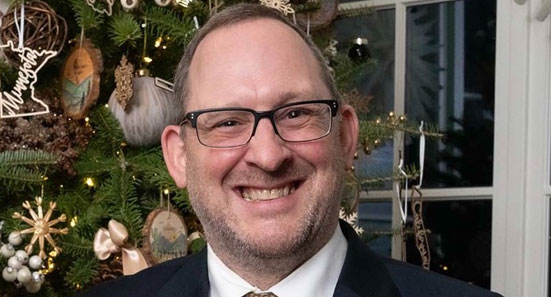
Advancing democracy and advocating for good government, that’s the mission of Democracy Forward, a legal non-profit organization. On this episode we talk with Rob Shriver who heads up their Civil Service Strong program and the Good Government Initiative. Now that sounds like a good government guest right?
GoodGovernmentShow.com Thanks to our sponsors:
The Royal Cousins: How Three Cousins Could Have Stopped A World War by Jim Ludlow
- HelloNation
- Ourco
- Good News For Lefties (and America!) – Daily News for Democracy (Apple Podcasts | Spotify)
- How to Really Run a City
- Leading Iowa: Good Government in Iowa’s Cities (Apple Podcasts | Spotify)
The Good Government Show is part of The Democracy Group, a network of podcasts that examines what’s broken in our democracy and how we can work together to fix it.
Executive Producers: David Martin, David Snyder, Jim Ludlow
Host/Reporter: David Martin
Producers: David Martin, Jason Stershic
Editor: Jason Stershic
Transcription
00:00:00:01 – 00:00:03:39
David Martin
This is the good government show.
00:00:03:44 – 00:00:15:48
Rob Shriver
We need to connect up better the work that the federal government is doing to the American people and show them the results that they can get that.
00:00:15:53 – 00:00:31:52
Rob Shriver
This is all called our Democracy Works 250 project, and it’s about making the federal government work better for all Americans. For the next 250 years. Because why not?
00:00:31:56 – 00:00:42:30
Rob Shriver
Federal workers care deeply about the trust that the American people put in them.
00:00:42:35 – 00:00:50:39
Rob Shriver
Nobody knows about this because there were no problems.
00:00:50:44 – 00:00:58:30
Rob Shriver
They understand that they have a special obligation to taxpayers.
00:00:58:35 – 00:01:19:11
David Martin
Public service workers are facing challenges not seen in almost 150 years. On this episode, we hear from a legal nonprofit organization called Democracy Forward. They tell us how they’re protecting government workers and ensuring we all get good government, the government we all want. Welcome to the good government show. I’m Dave Martin. First, right now, wherever you are, subscribe to our show.
00:01:19:16 – 00:01:39:30
David Martin
Now. Follow us on your favorite social media sites. Where everywhere. Now that you’ve subscribed, like us and share us. Okay that’s done. Thanks. Okay. I met Rob Shriver at the recent National Academy of Public Administrations annual conference in Washington. He’s a fellow there, but he’s also managing director of the civil service, strong at Democracy Forward, and oversees their good government initiatives.
00:01:39:42 – 00:01:59:22
David Martin
You’re going to hear all about them, and they certainly fit in with a good government show theme we’ve got going on here. And one thing we keep hearing here on the voice of public service is the dedication to their mission that government workers have on the local, state and on the national level. If you listen to previous shows, and I hope you have, you’ve heard our guests explain that they view government service as their mission.
00:01:59:36 – 00:02:20:59
David Martin
Well, Rob Shriver’s making sure those folks can complete their mission. There are over 2 million federal government workers. In the past year, over 300,000 of those have left the government. They’ve been let go or they chose to leave, as Rob Shriver will explain. This cannon has had a devastating effect on government. Their ability to continue services and its drain the government have some real institutional knowledge.
00:02:21:04 – 00:02:35:33
David Martin
He and his colleagues at Democracy Forward are working to keep that knowledge and to support government workers. He’s working on many fronts waiting here. So coming up, my conversation with Rob Shriver of Democracy Forward.
00:02:35:38 – 00:03:02:11
David Martin
We have a new partner here in The Good Government Show, hello, nation. This is a new digital magazine that showcases the best of cities across the nation. We’d all prefer if good news traveled faster. And hello, nation. Positive stories don’t just get told, they get amplified. Hello nation helps businesses, leaders and communities share positive stories that matter building trust, credibility and meaningful connection through professionally produced podcast, digital features and targeted distribution.
00:03:02:23 – 00:03:26:46
David Martin
Hello nation positions you is the answer regular folks are looking for while expanding and scaling your digital footprint across the platforms that people trust. Good news deserves momentum. Your city or your business can help spread the word of good news across the nation and hello nation! They don’t just have advertisers, they have advertisers. Editorial content from trusted community leaders and cities that are helping spread the good news.
00:03:26:51 – 00:03:48:31
David Martin
Let Hello Nation lift you up and lead the conversation. Visit Hello nation.com to learn more. Once you wrap up this episode of The Good Government Show, give a listen to our friends over at Good News for lefties. This daily podcast highlights news stories that show there’s more good news out there. Other people in government are really trying to do the right thing.
00:03:48:45 – 00:04:11:44
David Martin
That’s good news for lefties. Listen, we’re listening now. Welcome to the Good Government show. I’m very happy to have with be Rob Scheiber. He is an attorney with an organization called Democracy Forward. We met at the National Academy of Public Administrations annual conference where you are a new fellow. Congratulations to me. The new Napa. The reason why I want to.
00:04:11:46 – 00:04:27:57
David Martin
I saw your name, at the at the Napa conference, and you’re with an organization called Democracy Forward right away. I was attracted to that here on the Good Government show. We like people who are working towards a better democracy. Let’s start with democracy forward. What’s the organization and what’s your mission?
00:04:28:06 – 00:05:05:09
Rob Shriver
Well, thanks so much for having me on the show, David. Democracy forward is an organization. It’s a nonprofit, nonpartisan organization. It exists to protect and advance the rule of law. So we have a whole lot of, litigating attorneys. They have filed lawsuits in states against the federal government, as you can imagine. The organization has been very busy since Inauguration Day, and we’ve brought in the neighborhood of 150 lawsuits against the Trump administration on matters where we think that they’re violating the rule of law.
00:05:05:14 – 00:05:36:08
Rob Shriver
But democracy forward is is bigger than, just a litigating organization. So I am fortunate enough to lead a program called Civil Service Strong. It was launched in December of 24. And, civil service strong is all about defending and supporting our social workers. Advancing a nonpartisan civil service and looking to reimagine the federal workforce and reform the federal government in a way that, it can better serve all American people.
00:05:36:08 – 00:05:45:08
Rob Shriver
Because I think no matter what you think about the Trump administration, the government wasn’t working perfectly for people even before the Trump administration. So we’re in power.
00:05:45:13 – 00:05:47:15
David Martin
Government wasn’t working perfectly. Okay.
00:05:47:25 – 00:05:47:46
Rob Shriver
Yeah.
00:05:47:55 – 00:06:03:21
David Martin
Yeah, right. Well, all right, let’s start with talking about, civil service strong. I think in some of the comments there’s some of the notes I read, 95% of the American people believe that civil servants should be hired and promoted based on merit. Is that is that an accurate reading?
00:06:03:26 – 00:06:09:33
Rob Shriver
Yeah. Yeah, that that’s right. That’s from I think multiple surveys that have been done over the years. Yes.
00:06:09:33 – 00:06:16:09
David Martin
So what’s the challenge right now that we’re facing with civil servants, either staying on the job or getting hired on the job.
00:06:16:11 – 00:06:41:56
Rob Shriver
So the challenge right now is that that’s the statistic you read is certainly in the view of the American people. And the current administration, you know, sort of ran on a plan of that that they were going to clean house with the civil service. They have a view about civil servants being part of some deep state, you know, entity that’s out to thwart the Trump administration agenda.
00:06:42:01 – 00:07:08:00
Rob Shriver
And that’s important to know, not necessarily for, you know, for Partizan purposes, people can believe whatever they want to believe that that’s a good idea or not a good idea, but that’s what’s defining the Trump administration’s approach to the sort of work force. And so, you know, they came in from day one. They brought Doge on board, and they had, announced major reorganizations to happen at agencies.
00:07:08:05 – 00:07:37:48
Rob Shriver
They had offered folks the opportunity to surrender their federal government jobs in exchange for basically being on paid leave for seven, eight months. And then at the end of that time, they would be off the books. They had a policy of doing a mass termination of so-called probationary employees, people who don’t have the same civil service rights as other federal workers, because they hadn’t been on the job for more than a year or two.
00:07:37:52 – 00:07:48:23
Rob Shriver
It’s all that has led to about, according to the OPM director, 317,000 shuttle workers having left government service this year.
00:07:48:24 – 00:07:49:21
David Martin
How many was that number?
00:07:49:27 – 00:08:02:49
Rob Shriver
317,000, which is, you know, 14% of the entire federal workforce. And so that’s a big change, right? That’s a big impact on agencies, their missions and programs.
00:08:02:58 – 00:08:20:48
David Martin
I’m going to play devil’s advocate here. The other side, for a moment. You know, we all have the same perception of government workers as you all been in the DMV and you see people on their phone or, you know, talking about their break. So there is a perception that federal workers are not the most effective workers. Is there any truth to that argument?
00:08:20:51 – 00:08:44:24
Rob Shriver
So listen, I have worked over my 30 year career for and with shuttle workers. They are incredibly dedicated to the mission. They don’t take the job because of the paycheck, because many of them could get paid more in other jobs. They take the job because they care about trying to improve their communities and help the government serve the American people better.
00:08:44:29 – 00:09:03:07
Rob Shriver
I was so honored as I was the former acting director of the Office of Personnel Management before I started the Democracy Forward, and in that role, I was honored to to work with shuttle workers across the country and, to really understand, what they were doing on the job and the impact that they were having.
00:09:03:14 – 00:09:05:45
David Martin
And what was your overall take away from working with those folks?
00:09:05:47 – 00:09:25:44
Rob Shriver
I find them to be incredible human beings. They care very much about their small part of whatever agency mission they’re working on. Like they know more about the thing they’re working on than anybody else in the world. And they feel that it’s very important. Now, look, it was a workplace of over a workforce of over 2 million people.
00:09:25:44 – 00:09:50:46
Rob Shriver
And when you have a workforce that’s that large, you’re going to have some people that engage in misconduct or that aren’t performing well. And, you know, I think there’s a lot of people who think that the federal government systems aren’t set up well to address that misconduct and address the poor performance. I happen to think that agencies, you know, do a good job.
00:09:50:46 – 00:10:07:51
Rob Shriver
I’m working on those things. And but that we sometimes make it harder on managers than we need to. And so all of that should be on the table. Because really what we have to make sure that the American people do is have a trust in their government and believe that social workers are looking out for them and being good stewards of taxpayer dollars.
00:10:07:51 – 00:10:23:16
David Martin
You spent about ten years in various levels, culminating in acting director of the Office of Personnel Management. Do you have a story? Do you have an anecdote? Do you have a person that you came across that were like, wow, this is what government service is all about?
00:10:23:20 – 00:10:57:57
Rob Shriver
So I think that there’s so many stories, the one that I’ll pick out right now is, so the, the president, President Biden wanted to increase the minimum wage for workers around the country to $15 an hour. And, he wasn’t able to get that through Congress. And so we looked at whether we could get a $15 an hour minimum wage for the federal workforce as sort of, you know, leading by example.
00:10:57:59 – 00:11:22:29
Rob Shriver
Sure. And you know, without legislation, it was complicated to figure out how to do that. And, you know, I knew enough about this shuttle personnel policy stuff to be dangerous. And so I went to, the paid leave team at OPM. And I said, you know, why don’t we do it this way? I had an idea. And, the team was not crazy about that.
00:11:22:31 – 00:11:38:25
Rob Shriver
Yes. He thought that it was a really bad precedent, but they said, you know, give us, give us a week and they went away for a week, and they came back, and they came back with multiple options for how we could accomplish this call. And, you know, I worked with the white House.
00:11:38:28 – 00:11:39:33
David Martin
They better ideas than yours.
00:11:39:46 – 00:11:59:30
Rob Shriver
They were better ideas than mine because they’re the experts. Okay. Yes they were they were better ideas than mine. And what they understood, though, was that I had this policy goal, and it was a policy goal that, you know, the president wanted us to implement. And so they went back and figured out the best way to do it and gave me the pros and cons.
00:11:59:34 – 00:12:00:19
Rob Shriver
And we got it done.
00:12:00:34 – 00:12:13:36
David Martin
All right. So that’s that’s a win. There’s something I saw here in, a press release or something. You said, when we go to the grocery store, we don’t want to worry that the people who are inspecting the meat were hired by who they voted for. Explain that.
00:12:13:48 – 00:12:23:51
Rob Shriver
So our civil service going back to 1883 and the Pendleton Act, signed into law by Chester Arthur, has been.
00:12:23:56 – 00:12:25:03
David Martin
President, will get you out of it.
00:12:25:15 – 00:12:50:14
Rob Shriver
Okay. So we have this long tradition in this country of a merit based system, and that’s not by accident. Prior to that, we had a spoils system where people were hired for government jobs based on political loyalty and patronage, and it was corrupt and ineffective. And the American people suffered under it. So we moved away from that in 1883 and have been living in this merit based system ever since.
00:12:50:19 – 00:13:12:28
Rob Shriver
And so what that means is that except for a small number of political appointees, and I mentioned there’s 2.2 million civil servants, there’s only 4000 of whom are political appointees. So for the vast majority of federal workers, they are hired based on their knowledge, their skills, their abilities, based on their merit and what’s needed for the job.
00:13:12:28 – 00:13:13:50
Rob Shriver
And they do all that.
00:13:13:50 – 00:13:32:05
David Martin
Work since, my favorite president, Chester Arthur, signed this into law because at that time, civil service reform was probably the biggest issue in the nation. And that led a path to, you know, where we are today. Has it worked effectively since then? Have there been changes and alterations that have made it even better?
00:13:32:09 – 00:14:03:25
Rob Shriver
It has worked. It has worked effectively since then. Our civil service is, crown jewel, among countries around the world, among democracies, around the world. I’m not going to tell you that the, the federal hiring process is smooth and simple, and it’s it’s challenging, and we need to work on that. But the outcomes that we see is our food is inspected by people who understand what they need to do to inspect, the, pottery industries and everything.
00:14:03:30 – 00:14:29:52
Rob Shriver
They know what they’re doing. They’re they’re experts in their fields. People that are evaluating small business loan applications are evaluating those based on their merits and not on whether the person contributed to their preferred, political candidate decisions about where the federal government’s resources to fight wildland fires. Those decisions are made based on weather and science and the risk to property human life.
00:14:30:05 – 00:14:55:26
Rob Shriver
Those decisions aren’t made based on how a particular state or county or neighborhood voted in the last election. Like these are really critical services that the American people depend on, and they have been able to rely for 140 plus years on the fact that the people that are hired to do those jobs are hired based on their merits, and they’re evaluated based on how well they do those jobs and not what they think about when their own personal lives.
00:14:55:26 – 00:14:58:57
Rob Shriver
With respect to politics, that’s critical to our democracy. David, you.
00:14:58:57 – 00:15:22:48
David Martin
Have filed a lawsuit, and one of the issues that you’re working on is that people, when they are hired, I think I read somewhere, 1700 job applications recently. People have had to explain what it is they like about the Trump administration. And you know why they align with their their thinking. Don’t you want people who work in civil service to be, you know, supporting what’s going on in government?
00:15:22:48 – 00:15:46:52
Rob Shriver
People who work in the civil service need to work as hard as they can for whoever the political leader is to advance that political leaders policy agenda consistent with the law. Okay. Full stop. That’s the job of civil servants and me. My experience having worked with civil servants both in government and when I’ve been out of government, that is the thing that binds them together.
00:15:46:54 – 00:16:08:34
Rob Shriver
That is what they do. No matter who is in charge. They work to try to give that person the best information, the, the benefit of their experience and try to help those political leaders make the very best decisions that they can. Now think about this, though, David. So 85% of federal workers work outside of the DMV area.
00:16:08:34 – 00:16:10:18
Rob Shriver
They work all around the country.
00:16:10:20 – 00:16:11:03
David Martin
Outside of Washington.
00:16:11:03 – 00:16:41:39
Rob Shriver
Outside of Washington, DC. Right. You’re asking folks who maybe are applying to be a benefits analyst at a Social Security office in Ames, Iowa, to understand the Trump administration’s executive orders coming out of Washington, DC that are very like HR focused, like it just is not relevant to the job that they’re doing for most federal workers. They just want to come in.
00:16:41:48 – 00:16:57:39
Rob Shriver
They want to do the best they can at their job. They want to take their guidance from their supervisors and their managers, and do well for the American people and, and the relevance of Trump’s executive orders to most shuttle workers like, it just doesn’t it just doesn’t affect them day to day.
00:16:57:39 – 00:17:17:46
David Martin
So for an example, if you’re living in Dubuque, Iowa, and you have a job with the federal government keeping the Mississippi River clean, your mission is keeping the Mississippi River clean. Your focus is, what are the what are the rules? What are the laws? What do I see coming down the road, coming down the river that will make sure that the water in Mississippi is clean?
00:17:17:57 – 00:17:25:16
David Martin
That’s your first, second and third priority. Not, you know, do we agree with a Washington decision? Right.
00:17:25:21 – 00:17:42:04
Rob Shriver
Absolutely. Now, of course, like the president can set the priorities for those workers and say, like, here are the things I want you to focus on or you are doing the work this way. We want you to do it a different way. Or here’s some stakeholder organizations that we want you to talk to that are going to have.
00:17:42:04 – 00:17:49:45
Rob Shriver
So like that’s all within the realm of the president’s authority. But yes, that person fundamentally has a job to do, and that’s the job that they’re focused on.
00:17:49:48 – 00:18:08:19
David Martin
Are you concerned that we are going back to pre spoils system? Pre pre Chad Arthur’s civil service reform and going back to the spoils system. And you know a new president comes in and 5000 people are fired. And 5000 new people come in. Are you. Is that a real concern for you?
00:18:08:27 – 00:18:35:00
Rob Shriver
I am incredibly concerned about it. And it’s not 5000. It’s hundreds of thousands of people, hundreds of thousands of career experts who are being shown the door in just this first year under the Trump administration. They are ringing the system so that they can hire people based on their Partizan politics and their political loyalty rather than merit. They’ve created a new this is a really typical HR thing.
00:18:35:00 – 00:19:08:20
Rob Shriver
It’s called schedule G. And basically it’s just like a set, a different set of rules under which agencies can hire their workers. And it’s going to once it’s implemented, it’s going to allow for far more Partizan consideration in the hiring process. They’ve put the thumb on the scale of, hiring committees that hire the career senior executives, that are sort of the highest level of career civil servants in government in the past, those committees had to has more career than political staff, and they flip that.
00:19:08:25 – 00:19:21:33
Rob Shriver
So there are not now more political appointees making decisions about the career senior executives. And these examples go on and on. They’re rigging the hiring process to allow alums to the ability to bring people in or loyal to them politically.
00:19:21:38 – 00:19:32:02
David Martin
When you are at the, OPM, the Office of Personnel Management. It said one of the things that you were an advocate for was something called hire to retire. Can you explain that?
00:19:32:13 – 00:20:02:29
Rob Shriver
So the federal government needs to be thinking strategically about its workforce and making sure that, first of all, it has a workforce plan about what, the needs are, what the priorities are of the agency, what the skills are that it needed to, effectively carry out that mission needs to engage in recruiting, and to so that it’s pulling from a broad pool of talent who’s interested in working for the federal government and has the skills that are needed.
00:20:02:34 – 00:20:21:50
Rob Shriver
You need to then get them through the hiring process, the onboarding process, and then no matter how long they stay, you know, we have a model where that’s, you know, somewhat dated, where, folks were the system was set up for folks to work for their entire career in the federal government. So people continue to do that.
00:20:22:05 – 00:20:36:46
Rob Shriver
But there’s a lot of people that move in and out of government or come and do, you know, two years in government and gain some experience and then go out. We need to make sure that we’re supporting taking care of all of those workers. No matter how long they’re in government.
00:20:36:46 – 00:20:48:20
David Martin
You want people to stay in government for a long time. I mean, is that is that the goal when you bring someone into environmental protection or the Department of the Interior or Commerce? I mean, do you want folks to stick around for their whole career?
00:20:48:31 – 00:21:09:37
Rob Shriver
I don’t think it needs to be the the goal. I think it needs to be something that is available to folks. So I happen to think that, you know, having a long time career feds is good for an agency, but also having people that come from different experiences and spend a few years in government and bring that different perspective is really valuable as well.
00:21:09:37 – 00:21:31:03
Rob Shriver
And so what we were working towards and when I was at OPM was, how can we have a system that supports all of that, that brings early career talent and maybe fresh out of school, gives them a few years of experience and they contribute and they learn from, the senior folks who have been there. And then maybe they go on to something else, maybe they decide to stay.
00:21:31:08 – 00:21:49:15
Rob Shriver
How can we bring folks in in the middle of their career who have been working in the private sector, working in state governments, working in nonprofits that have those experiences to bring? How can we make sure that there’s an ability to bring them into government? Maybe they want to stay until they retire, maybe they want to stay five years and move on to the next challenge.
00:21:49:19 – 00:21:57:31
Rob Shriver
And then in the meantime, the folks that are doing a great job and they do want to stay, how can we make sure that they continue to grow and feel like they’re contributing at their very best? Right.
00:21:57:32 – 00:22:06:26
David Martin
Because there’s a lot to be said for institutional knowledge. And someone who’s been around for a while and can say, oh, we had that problem ten years ago, here’s how we did it. Here’s how we looked at it. That’s invaluable.
00:22:06:26 – 00:22:21:52
Rob Shriver
Right, David? I don’t it’s incredibly invaluable. And I don’t know why any political leader at any agency would choose not to tap into that, or would try to drive those people out en masse. It’s a terrifying thought to me, given the complexity of the work that these agencies do.
00:22:22:03 – 00:22:38:43
David Martin
We have talked to a lot of people. I talked to, a gentleman who was, the chief scientist at NOAA. And, you know, he was like, no, no, no, this is my mission. This is my passion. You know, this is what I’ve wanted to do since I was in college and worked for a professor and had a summer job counting fish in Chesapeake Bay.
00:22:38:57 – 00:22:42:37
David Martin
You know, this is where I want to be. And there’s lots of those folks in government, right?
00:22:42:38 – 00:23:04:36
Rob Shriver
That’s a common story. And that’s what’s been so heartbreaking for folks over the last year, because they have worked to get to the position that they were, and they’ve built their expertise up. They’ve done all the things that they were told to do that would put them in a position to get the kind of job that they dreamed about, and then they were discarded and often discarded in a very cruel way.
00:23:04:51 – 00:23:21:15
David Martin
So I want to talk a little bit about some of the work at Democracy Forward. Then I want to ask, you know, like what else we can do to make sure this all goes well, democracy forward! You have, it says uncovered secret deals with El Salvador to people who disappear. You blocked Ice raids in churches in Chicago.
00:23:21:20 – 00:23:43:56
David Martin
You’ve launched the You’re Not Alone project, which is a response to people who may have been fired or let go. Under the current administration, you support educating for students. You know, where students are getting, actual, you know, education, not necessarily indoctrination. These are all projects that you’ve worked on. Democracy forward. Have I missed any of the big ones?
00:23:44:01 – 00:24:08:11
Rob Shriver
We have brought lawsuits to challenge the illegal reorganization of the federal government that the Trump administration is carrying out things like the, the dismantling of the Department of Education, the Consumer Financial Protection Bureau, and an agency that, by the way, has saved taxpayers $21 billion on the elimination of USAID. All of these things have been done. Without congressional authority.
00:24:08:16 – 00:24:35:35
Rob Shriver
And we have lawsuits that are, that are challenging them. We brought a lawsuit, when the administration attempted to shut off, food aid through the Snap program during the government shutdown, we brought litigation that, led to a court order requiring the administration to tap into snap reserves, to keep people from going hungry just because, they were pawns in a political showdown over the government budget.
00:24:35:39 – 00:25:09:37
Rob Shriver
The number of lawsuits and we brought on behalf of civil servants is numerous. The Trump administration attempted to carry out, reductions in force during the government shutdown, something that’s never been done before by any administration. And we succeeded in getting getting those blocked. We are fighting the National Guard deployment in cities across the country. So, basically, again, when you’re an organization that’s committed to upholding the rule of law, there are a lot of different places that this administration is, giving us the opportunity to intervene through the courts.
00:25:09:46 – 00:25:15:13
David Martin
Is there anything we can do? The people I mean, you’re fighting the good fight. Is there anything individuals can do?
00:25:15:20 – 00:25:27:21
Rob Shriver
So, it’s really the people that are going to get us out of this. And I think the most important thing for people to do is to, to, number one, help to tell the story. I think we’re.
00:25:27:21 – 00:25:28:12
David Martin
Trying and.
00:25:28:17 – 00:25:28:30
Rob Shriver
We’re.
00:25:28:30 – 00:25:29:43
David Martin
Trying here to get together and share.
00:25:29:51 – 00:25:55:33
Rob Shriver
That’s right. And and I’m going to, I’m going to talk about it from my good government background and my OPM background. I think the American people, I don’t think we’ve done a good job overall. You excluded David, of course, of letting the American people know how important the work is of our federal employees. I think there’s a bit of a disconnect when things are going well, that the social workers are just in the background making that happen.
00:25:55:33 – 00:26:26:49
Rob Shriver
And so people don’t really understand how significant and how helpful the federal government is in their day to day lives, whether it’s, you know, the food on the shelves being, safe, as we’ve talked about before, whether it’s, you know, air traffic control, whether it’s, clean water on and on and on about the things that sort of workers do, I think what, we can all do is start to translate that for the American people so that they are understanding when these things start to fall apart.
00:26:26:49 – 00:26:54:56
Rob Shriver
Because I am highly concerned that, the dismantling of these agencies and the loss of 317,000 experienced career civil servants, that their systems that are going to break down, and that people aren’t going to get the benefits checks that they need, or, you know, are going to be new health and safety hazards. We’re going to lose ground in our fight against infectious diseases because those operations, those research projects have been shuttered.
00:26:55:01 – 00:27:21:31
Rob Shriver
I think people need to understand the connection between the dismantling the central government and those outcomes, and need to come together to demand change in a new way. We need to be all rallying behind the fact that the American people deserve a federal government that works better for everybody. And again, that’s not just going back a year, that’s going back, you know, five years, ten years, 20 years.
00:27:21:36 – 00:27:29:13
Rob Shriver
We need to connect up better of the work that the federal government is doing to the American people and show them the results that they can get from that.
00:27:29:22 – 00:27:33:53
David Martin
And I can’t believe I left until this point. What is the good government initiative that you oversee?
00:27:33:53 – 00:28:03:30
Rob Shriver
So the good government initiatives that I oversee, we are planning for a reimagined government that includes multiple prongs. One is we’re taking a look at civil service policy and how we hire people, how we fire people. The pay system, broader performance management benefits. We’re taking a fresh look at all of that and looking to modernize it. For an AI enabled workforce that the federal government needs to have.
00:28:03:35 – 00:28:31:44
Rob Shriver
Two, we’re looking at the way that teams have been designed across agencies over the years. So human resource teams, tech talent teams, the budget teams think that we have some examples of those teams working really well in agencies and other examples of them not working so well. And so if we’re going to reimagine government and look at a fresh, a fresh chance to make big change here, we need to take a look at those teams and design them in a way that’s going to work best.
00:28:31:44 – 00:28:56:30
Rob Shriver
And then we need to identify the skills that people need to successfully deliver on those teams. And then find the people that have those skills. So there is a pipeline of talent that’s ready to serve back in the saddle government. This is all called our democracy Works 250 project. And it’s about making the federal government work better for all Americans for the next 250 years, because why not?
00:28:56:35 – 00:29:03:50
David Martin
Well, that does sound like a government. And why not? Because why? Because we need good government. All right. That was the easy part. Are you ready for the hard part?
00:29:04:04 – 00:29:09:25
Rob Shriver
I’m ready for the hard part.
00:29:09:30 – 00:29:33:07
David Martin
The Good Government show is sponsored by our. That’s. Oh, you are for our community. Get involved. We hear that all the time from government leaders. Our co-branded with your governments name and logo. Your staff and the people you serve are connected and part of your community. From any device. Your members provide reliable data and meaningful feedback. Ask a question like, do we want more parkland or better homeless services?
00:29:33:19 – 00:29:44:57
David Martin
More engage conversations come through the our app, visit our co that’s ou rco.com and book a demonstration.
00:29:45:02 – 00:30:08:31
David Martin
After you get done with this episode, hear more good government stories with our friends at How to Really Run a City for mayors. Kasim Reed of Atlanta and Michael Nutter, a Philadelphia, and their co-host, journalist and author Larry Platt talk with guests and other mayors about how to really get stuff done in cities around the nation. Check them out where you’re listening now or through their nonprofit news site, The Philadelphia Citizen.
00:30:08:36 – 00:30:14:23
David Martin
Dot org slash podcasts.
00:30:14:28 – 00:30:19:23
David Martin
This is our good government show questionnaire. We always start with the hardest question. First, define good government.
00:30:19:37 – 00:30:32:42
Rob Shriver
A good government is where you have set of workers that are working efficiently to drive the agency’s mission in a way that gives the best results to the American people. That’s simple. That’s simple. Everything should be aligned to that.
00:30:32:47 – 00:30:38:16
David Martin
If people are frustrated with government, if they don’t like what they see at the federal level or at the local level, what should they do?
00:30:38:18 – 00:31:04:19
Rob Shriver
There are places to speak out about that. I worked in district government, for a while. There was an ombudsman, in the DC, the District of Columbia, that their job was to take in those concerns from people, and then they worked with agencies to resolve those matters. It was very effective. You know, we also had in federal government every agency has staff that deals with constituent services, with members of Congress.
00:31:04:24 – 00:31:22:31
Rob Shriver
I’m sure that’s a common way that people might know that, you know, you can you can raise an issue with your member of Congress. They will then go to the agency and say, here’s a problem that I have, and that there were teams that were working on those and resolving those. Now, the Trump administration has decimated a lot of those teams.
00:31:22:35 – 00:31:48:40
Rob Shriver
So we’ll we’ll see how effective those constituent services remain. Many agencies have customer service complaint lines. Again, like that was something that we took seriously at OPM. And our inspector general took seriously. I’m not sure that those lines are staffed as well as they were before. And the Trump administration fired a lot of inspectors general. So I guess what I’m saying, David, is there were a lot of structures that were in place for folks.
00:31:48:40 – 00:31:52:19
Rob Shriver
I’m not sure how potent they are under this administration now.
00:31:52:28 – 00:32:11:26
David Martin
But if you can find your local ombudsman, you have a good chance to get to to get your complaint heard. So 30 years as a lawyer, you started off working for it looks like a government union, a long run at, Office of Personnel Management. What drew you to public service? What made you go into government and stay there?
00:32:11:26 – 00:32:32:56
Rob Shriver
So my parents were both, public school teachers. From the beginning of their careers to the end of their careers. And I remember there was I had an experience as a child, whereas before my mom started working as a teacher in my, my dad and the teachers had gone on strike. And it was a it was a lengthy strike.
00:32:33:01 – 00:32:54:39
Rob Shriver
And so we got food assistance at the time. And I remember my mom saying to me, I was in elementary school and I was getting a free lunch. And she worried if I would was embarrassed about doing that. And I was like 8 or 9 years old and I didn’t have any idea why I should be embarrassed. Right.
00:32:54:45 – 00:33:14:52
Rob Shriver
But as I as I grew up and and learned more about social services and support, I understood why she asked that question. And and to me, it was just nobody should ever feel embarrassed when they they need some help. My dad was there’s nothing he could do about it. And we needed some help and the government stepped in.
00:33:14:57 – 00:33:29:52
Rob Shriver
And so I, you know, coming from that background of service from my parents as public school teachers and then being shaped by that experience. And I also I grew up in, in Nazareth, Pennsylvania, which is, it was steel country, back in,
00:33:29:57 – 00:33:31:44
David Martin
No, it’s the home of Martin Guitars.
00:33:31:49 – 00:33:51:56
Rob Shriver
Home of Martin Guitars, the home of Mario Andretti. Good for you. There is, cement mills and steel mill. Steel mills. Bethlehem Steel was there. And in the 70s, I was growing up, the steel industry was on hard times. And, you know, a lot of my, my friends there, dads in the neighborhood because it was mainly their dads that were working at Bethlehem Steel.
00:33:52:05 – 00:34:24:48
Rob Shriver
It was their their unions that helped them preserve their middle class, lifestyle. And so I was attracted to to that, too. I was attracted to, you know, unions that were were trying to help people, okay, you know, make a living. And so, so come into public service and, you know, starting first with working with the union, as you mentioned, and then getting to go into government and work on these policies to try to help people, try to help settle workers, you know, middle class folks trying to to get a leg up and was just that was very attractive to me.
00:34:24:48 – 00:34:26:09
Rob Shriver
And I never looked back from it.
00:34:26:20 – 00:34:32:08
David Martin
Who inspires you? Do you have a political hero other than Chuck Arthur? I, we do have, some of that that you can point to.
00:34:32:09 – 00:34:57:48
Rob Shriver
Well, I, I, I had not been involved in politics, before Barack Obama. And, you know, no matter I I’ll say it this way, no matter what people think of of Obama as a president or candidate or whatever, I wish that everybody could feel that level of inspiration about somebody that I felt with Barack Obama. I was the night he lost the New Hampshire primary.
00:34:57:48 – 00:35:26:05
Rob Shriver
I was so, I was so disappointed. And then he gave for the first time his yes we can speech. And it just really inspired me. I signed up for his campaign, I volunteered, and then I really wanted to come into the administration because I believed in him. I believed in his message and his agenda. And so, like I said, like I felt it was really special that I was able to have that feeling of inspiration from him.
00:35:26:09 – 00:35:30:08
Rob Shriver
So, so he’s got to be, he’s got to be at the top of the list for me.
00:35:30:17 – 00:35:38:30
David Martin
All right. Did you always see yourself getting into public service, or did you were you were you present in your high school class or your area? You know, were you involved in student government, anything like that?
00:35:38:41 – 00:36:08:50
Rob Shriver
I was I was my high school class president. And since I was, I did, student government at Virginia Tech, where I went to college. And then I, you know, I went to law school. Not necessarily because I wanted to be like a traditional attorney, but because I thought it could potentially open some leadership doors for me. And then, you know, I wound up litigating cases at NTU, and I really love that and thought I would do that for my career.
00:36:08:59 – 00:36:14:23
Rob Shriver
And then Barack Obama came along and was like, okay, now’s the time for me to try what I, what I really went to law school to do.
00:36:14:37 – 00:36:24:16
David Martin
So ten years at, office personnel management of 30 years in government and government related positions. What would you like people to know about government that they don’t know?
00:36:24:29 – 00:36:56:30
Rob Shriver
I think what I’d like people to know is that federal workers care deeply about the trust that the American people put in them. They work hard every day. They put in extra hours. They’re very dedicated to the mission. And when you hear these stray stories from time to time about a set of worker who’s abusing the trust that the American people gave them, it hurts every other federal worker like they understand that they have a special obligation to taxpayers.
00:36:56:35 – 00:37:27:25
Rob Shriver
And so if you hear a story, story about somebody who’s abusing that, somebody who was abusing telework or somebody who was caught up in some kind of, you know, pay to play scheme, it really hurts them personally, because they’re proud of what they do. And I think the American people should know that there are a lot of safeguards that are put in place, that our system has built up since 1883 to combat waste, fraud and abuse.
00:37:27:30 – 00:37:51:37
Rob Shriver
There are, you know, teams that exist in agencies specifically to look for that and to help agencies get rid of that. And perform efficiently and effectively. And so it’s a shame to me that there is a lower trust in government that I think is good for our democracy. And I think what’s happening this year is making that problem even worse.
00:37:51:41 – 00:38:04:23
Rob Shriver
But I’m hoping that what we can do is come out of this with a new, reimagined approach, that they’ll give us a chance to sort of rebuild the trust with the American people. Because I think, I think you’re set of workers are worthy of it.
00:38:04:27 – 00:38:10:30
David Martin
Democracy forward is an organization that is working on multiple fronts. What is the area you’re most excited about?
00:38:10:31 – 00:38:37:13
Rob Shriver
I’m really most excited about our democracy Works 250 project that we talked a little bit before. David, I think the, the challenges, emerging from this administration and this administration’s approach with respect to the government and the federal workforce is an enormous challenge. And I think that we have the plan in place for tackling that. You need policy.
00:38:37:22 – 00:39:00:50
Rob Shriver
You need people. You need engagement from the American public. A big prong of our project is to go and talk to the American people directly about what they want to see from their government, what good experiences they’ve had with government, what bad experiences they’ve had so that the American people can see reflected, and what we put together, what their priorities are.
00:39:00:55 – 00:39:16:23
Rob Shriver
And I think often that step is skipped. I think too often people in Washington think that they know what the problems are and know what the solutions are, and they make a lot of assumptions. We’re not going to do that. We’re going to go and we’re going to talk to the American people. We’re talk to them directly.
00:39:16:23 – 00:39:43:54
Rob Shriver
We’re going to talk to organizations and communities around the country that are just beginning to understand how important a functioning federal government is to the things that they care about, how we’re going to design the strategy in a new way that’s going to be comprehensive, so that whenever there is an administration from whatever party who cares about strengthening the democracy and rebuilding government capacity, we’ll have the plan for them to do that.
00:39:44:05 – 00:39:46:43
David Martin
You’ve been in the news. Where do you get your news from?
00:39:46:48 – 00:40:05:12
Rob Shriver
So I get my news from, like, okay, I will admit that, like the young generation, I do get some of my news from social media. Like I was never on TikTok before until my teenage daughter wanted to go on TikTok. And so I had to go there to follow or keep track of what she’s doing. Gotcha.
00:40:05:14 – 00:40:25:01
Rob Shriver
So I get some of my news from social media. But, you know, I listen to NPR, I listen to podcasts. I have a trip into the city as a kid on a on a commute, most, most days of the week. And I’ll, you know, I’ll even listen to, some of the cable news networks I subscribe to the, to the New York Times and read that too.
00:40:25:14 – 00:40:26:42
David Martin
Okay. What do you do for fun?
00:40:26:49 – 00:40:48:38
Rob Shriver
Well, I’m a huge Philly sports fan. I like all Philadelphia sports teams. I put a lot of my energy into that. All right. We also, my family has a little place out in the mountains in the Shenandoah Valley here in Virginia, and I like that as a getaway. We go out there and hike, and there’s a little ski resort and there’s a lake in the summer.
00:40:48:52 – 00:40:59:02
Rob Shriver
And so it’s sort of like a around, you know, around the year, full season for season kind of place. And so and when we have free time, I love to do a little getaway out there and just be with nature.
00:40:59:02 – 00:41:03:35
David Martin
So when they have the presidents race at the nationals games, which president do you root for?
00:41:03:39 – 00:41:07:16
Rob Shriver
Oh, I root for Teddy Roosevelt, the founder of the father of the civil service.
00:41:07:16 – 00:41:17:12
David Martin
Teddy Roosevelt, because. Yeah. So although if you’ve never seen it, they have presidential heads that come out and race from, third base down to home plate. So it’s hilarious. Yes.
00:41:17:12 – 00:41:26:30
Rob Shriver
Teddy Roosevelt for many and for many, many years, Teddy never won. He never won, really anything that they. Yes. He did not win for years.
00:41:26:35 – 00:41:27:43
David Martin
Was there a reason why?
00:41:27:48 – 00:41:32:07
Rob Shriver
I don’t know, there was. I think it’s anti teddy bias that you suggested.
00:41:32:14 – 00:41:42:29
David Martin
What else could it be. So this is a good government. Shall we always bring it back to good government. Tell me about a good government project you’re working on now that you’re excited about. You already mentioned 250. What else you got going on?
00:41:42:33 – 00:41:46:52
Rob Shriver
Well, can I tell you about one thing we did in OPM this year? It’s really important.
00:41:46:52 – 00:41:49:23
David Martin
I want to hear we want to hear about good government anywhere it comes.
00:41:49:25 – 00:42:11:56
Rob Shriver
Right. So there was a big like people may remember, there was a big debate about the Postal Service and how to kind of save the Postal Service. And Congress enacted a postal reform law. And this is my wind up, because one of the things that it did is it took postal workers and their family members out of the central Employee Health Benefits program.
00:42:12:01 – 00:42:53:08
Rob Shriver
So federal employee health benefits program, where feds get their health insurance, there’s 8 million people in its largest group health insurance program in the world. But this law required us to take the 1.2 million postal workers and their family members out of their CHB, and it gave us a really short timeline to do it in government terms. And so what we did was instead of just sort of replicating the dated approach to the FB, we said, here’s an opportunity for us to demonstrate how we could build a more modern I.T platform that will provide a good customer experience for postal workers.
00:42:53:13 – 00:43:16:54
Rob Shriver
It will help them shop for their plans and pick the plans that are best for them and save them some money, and then ultimately save the Postal Service money, which was the overall goal of the postal health of the postal reform law. And so we took it up that way, and we used an agile development process, and we it was a combination of government workers and IT experts from the private sector.
00:43:16:59 – 00:43:39:37
Rob Shriver
We all came together, David. And and we launched that project and we launched it on time and on budget. We had a very successful first open season, a year ago. It was the 2024 open season. Nobody knows about this because there were no problems. There were problems with postal workers enrolling in health insurance coverage. You all know about it, okay?
00:43:39:39 – 00:44:02:54
Rob Shriver
There were no problems. People had a better experience. They saved money. On balance, the postal workers saved money over the federal employees because of this. And the Postal Service itself saved millions of dollars because of the integration that we were able to do with Medicare. And so I’m really proud that OPM was able to deliver that. And I think it’s it’s the way to do it.
00:44:02:54 – 00:44:05:50
Rob Shriver
It’s now a model for reform for the FHP overall.
00:44:05:56 – 00:44:19:07
David Martin
Well, any, any anything to help the U.S. Postal Service is certainly good government. So thanks for that. I wanted to ask you just quickly before you go, National Academy of Public Administration, you’re a new fellow. You just started any projects you have coming up?
00:44:19:07 – 00:44:44:14
Rob Shriver
Yeah. I’m really proud to be part in Napa. There’s such amazing people who are Napa fellows, people that have expertise not only in the federal government, state and local government, academia, nonprofits, the private sector. It’s a really great group of people, and Napa like, they do some really good work. They come together on knotty public administration issues, and offer perspectives, analysis.
00:44:44:19 – 00:45:09:19
Rob Shriver
I’m looking forward to being engaged and not I know there’s, a public service, advisory committee that Napa runs, and I’m looking forward to being a part of, and I’m sure that the work that we’re doing with Democracy Forward and Civil Service Strong will provide for some natural partnership opportunities. There are important issues happening right now in public administration that require analysis, research, in-depth study.
00:45:09:19 – 00:45:11:01
Rob Shriver
And Napa is going to be great for doing that.
00:45:11:01 – 00:45:29:02
David Martin
Rob Shriver, a Napa fellow, a representative of Democracy Forward, where you are the managing director of civil service, strong and overseeing the Good Government initiative. All good things we like to hear about on the Good Government Show. Thank you so much for coming. It was a pleasure to talk to you, and I look forward to meeting you with the next Napa conference.
00:45:29:02 – 00:45:34:15
Rob Shriver
Thanks, David. It was great. Thank you.
00:45:34:20 – 00:45:52:13
David Martin
Want to hear more about good government? Check out another show I host leading Iowa good Government in Iowa cities. I host the show with Brad Cavanaugh, mayor of Dubuque, Iowa, and the immediate past president of the Iowa League of Cities. Together, we talk to leaders in Iowa cities. We talk about what works and what good government looks like in Iowa.
00:45:52:17 – 00:46:01:21
David Martin
Join us right here. We listening now that’s leading Iowa. Good government in Iowa. Cities.
00:46:01:26 – 00:46:25:20
David Martin
Some great insights from Rob Shriver of Democracy Forward. Here’s something that stood out to me. We were talking about government workers, he said. And this is a quote they understand. They have a special obligation to taxpayers. Well, that’s good to hear. And that can only lead to good government, as the current administration is trying to roll back civil service to a time when what party you belong to mattered more than your ability to get the job or do your job in the federal government.
00:46:25:24 – 00:46:44:59
David Martin
It’s good to know that Democracy Forward is making sure the civil service system continues to work effectively. Well, that’s our show. Thanks for listening. Tell your friends about good government and our show. Going to get reviews and check out our website. Good Government show.com for extras. Help us keep telling stories of good government and action everywhere. Join us again for another episode right here.
00:46:45:11 – 00:46:53:19
David Martin
I’m Dave Martin and this is a good government show.
00:46:53:24 – 00:47:15:00
David Martin
The Good Government show is a Valley Park production. Jim Ludlow, Dave Martin, that’s me and David Snyder are the executive producers. Our show is edited and produced by Jason Stershic. Please subscribe, then share and like us and review us. That’s the best way to make sure we’re able to keep telling these stories of our government working for all of us.
00:47:15:13 – 00:47:30:23
David Martin
Then listen to the next episode of The Good Government Show.
00:47:30:28 – 00:47:33:08
Narrator
This podcast is part of the democracy Group.
**This transcription was created using digital tools and has not been edited by a live person. We apologize for any discrepancies or errors.