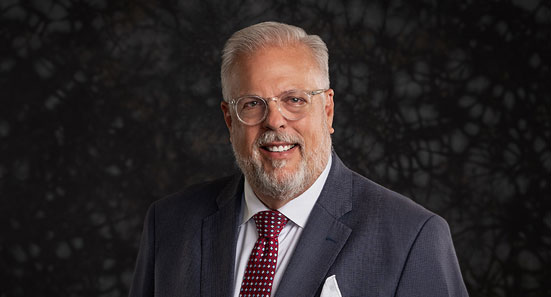
Earlier this year, the nation’s first National Medal of Honor Museum opened in Arlington, Texas. On this episode I talk with Arlington Mayor Jim Ross about the new museum in his city. And we talk about some new alternatives to transportation, including, flying taxis.
GoodGovernmentShow.com Thanks to our sponsors:
The Royal Cousins: How Three Cousins Could Have Stopped A World War by Jim Ludlow
- Ourco
- Good News For Lefties (and America!) – Daily News for Democracy (Apple Podcasts | Spotify)
- How to Really Run a City
- As Fate Would Have It (Apple Podcasts | Spotify)
The Good Government Show is part of The Democracy Group, a network of podcasts that examines what’s broken in our democracy and how we can work together to fix it.
Executive Producers: David Martin, David Snyder, Jim Ludlow
Host/Reporter: David Martin
Producers: David Martin, Jason Stershic
Editor: Jason Stershic
Transcription
David Martin: This is the good government show.
Jim Ross: Abraham Lincoln was the president that started the Medal of Honor award. It started during the Civil War. And there’s been a little over 3600 recipients since the Civil War. This is real life Jetson’s stuff. We’ve announced that by next year, we’re going to be the first city and the country to have air taxis. Thinking outside of the box when it comes to transportation is critically important right now.
I never realized until I became mayor how important trash is for a community. Good government is government that knows how to take care of their community and doesn’t get engaged in party bickering.
David Martin: This past March, one of America’s newest museums opened in Arlington, Texas. It’s the National Medal of Honor museum that honors all 3528 medal winners. On this episode, I talk with Arlington Mayor Jim Ross about how the museum got to his city and what the museum is all about. Oh, and we talked about flying taxis. Welcome to the Good Government show.
I’m Dave Martin. First, help us show the message of good government by liking us and sharing us where we are. On Facebook, x YouTube, Instagram and Blue Sky. Please share a show with your friends or reviews right here. We’re listening and join our Good Government Show community. Check out our website for the link. I met Mayor Ross last summer at the Conference of Mayors.
I’d heard something about the Medal of Honor Museum. But I wanted to know more about it and how it wound up in Arlington. So just a little history for you. The Medal of Honor was first awarded during the Civil War. All five branches of the military have the medal winner. And until now, there was. I was surprised to learn no national museum to honor these veterans.
Now there is. Since the mayor and I talked. The museum is open so you can book your tickets now. Check out our show notes for a link to the museum. Texas has the most veterans of any state, so a museum there is a fitting location. In just the past several months, the museum has already contributed to the culture of the Dallas area.
Medal of honor winners have visited local schools. The museum has hosted multiple events, and they’ve created a speaker series. It’s on my list to go visit. As mayor Ross says, good government means taking care of all of its citizens. And for Arlington, that means taking care of veterans and honoring those who, as he says, took good care of us.
And listen to how they got a helicopter inside the building. Switching gears, I had to talk to Mayor Ross about flying taxis. Yes, you heard that right. Flying taxis. I’m going to let the mayor talk more about that. But as you’ll hear, this is a real project and it’s going to happen. Just listen. Mayor Ross is certainly a dynamic mayor, and he has a lot of big ideas for the city.
Just wait to hear about the gondolas in Arlington flying taxis, gondolas. Like I said, he’s certainly dynamic. Wait to hear his thoughts about trash. Coming up, my conversation with Arlington Mayor Jim Ross. The Good Government Show is sponsored by our that’s o r for our community. Get involved. We hear that all the time from government leaders. Our co-branding with your governments name and logo.
Your staff and the people you serve are connected and part of your community. From any device your members provide reliable data and meaningful feedback. Ask a question like do we want more parkland or better homeless services? More engaged conversations come through the our app. Visit our Co that’s ou rco.com and book a demonstration. It was called the War to End all Wars but it didn’t.
Three royal cousins, all kings, one from England, one from Germany and one from Russia blundered their way into a war, a completely avoidable war that left millions dead in the trenches across Europe. Good government show executive producer Jim Ludlow details the blunders, mistakes and bluster that started World War One that didn’t end all wars. The book The Royal Cousins details the events and creates an alternative history.
Imagine a World War one never happened. It didn’t have to just read it yourself. Download the book today on Amazon. It’s just $0.99 and a timely look at the history. Welcome to the Good Government Show. I have with me my guest today, Mayor Jim Ross of Arlington, Texas. Mayor Ross, welcome to the good government chair.
Jim Ross: Thank you. Glad to be.
David Martin: Here. One of the things I wanted to talk with you about, and I was excited to hear from you about, is Arlington, Texas is going to be the home of the new Medal of Honor Museum. So congratulations on bringing that to Arlington. How did that come about?
Jim Ross: Well, you know, I don’t think Arlington was on the map when the committee that was looking for a home for the Medal of Honor museum was traveling around the country looking at places. I know that they went to Dallas. They didn’t like exactly what they were seeing in Dallas and where they were looking. And there was a gentleman here who has been in our community for a long time.
That was a part of the committee, by the name of sit ups that said, hey, maybe you should take a look at Arlington. They’re right smack dab in the middle of the metroplex and convince the committee to come over here and talk to, our staff and my predecessor and we got our name, and a hat came down between us and Denver, and, we want.
Well.
David Martin: I guess there was a little politicking on the part of the mayor. I’m sure.
Jim Ross: Well, there’s a little politicking and everything we do on here, you know, Denver through, they pulled out all stops, and they brought out John Elway to come help bring it home. So we brought out Roger Staubach. You know, we’re we’re the.
David Martin: Oh, that’s to say. All right. Roger Staubach Navy and, Dallas Cowboy quarterback. Very nice. So, the museum I think is scheduled to open, the date is March 22nd, 2025. Everything on target.
Jim Ross: Everything’s on target. We’re going to be doing the ribbon cutting on March 22nd. It opens actually to the public on March 25th, which is Medal of Honor Day. But March 22nd is when all the VIPs and the dignitaries will be here for the VIP ribbon cutting.
David Martin: And, just a little bit of history. You may know better than I, Abraham Lincoln created the Medal of Honor for Civil War. Soldiers. How many Medal of Honor winners have there been since?
Jim Ross: You know? Yeah. So Abraham Lincoln was the president that started the medal of Honor award? It started during the Civil War, and there’s been a little over 3600 recipients since the Civil War.
David Martin: Okay. What are you most excited about in the museum?
Jim Ross: You know, I was shocked originally to learn that there was never a full blown national museum honoring the men and women who’ve received the highest award in the military. And, I’m most excited to see the stories. Hear the stories of those. I haven’t seen all 3600 stories I’ve met. I think every living recipient that we have right now.
Wow. I’ve heard a number of their stories. I’m excited to see all of the stories. The humility, the honor, the courage that these recipients have displayed in their life is just second to none. So, I’m very excited about people being able to enjoy the stories of these men and women who are true American heroes.
David Martin: And you’re a veteran. Where did you serve and what did you do?
Jim Ross: Yeah, I’m a U.S. Marine Corps veteran, and, I did a little bit of everything from marine barracks out in Iceland to, infantry type stuff. So I had a good time to serve, back in the late 70s and early 80s.
David Martin: Did you serve with any Medal of Honor winners yourself?
Jim Ross: No. I don’t know that I’ve served directly with any Medal of Honor winners myself. And I certainly was not a racist.
David Martin: I’m sure you did find at Iceland with the Icelandic women there. How is bringing, the Medal of Honor museum to Arlington? How is that good government? This is the good government show. So explain why this is good for Arlington and why this is good government.
Jim Ross: Yeah. You know, here’s the thing. You know, I think what what a big part of what makes good government is how a community takes care of those who have taken such good care of us. And, I’m very proud to chair the Veterans Affairs Task force for the U.S. Conference of Mayors. I’m very proud of our community here in Arlington for what we’ve done for veterans and what we’re doing.
We have a beautiful veterans park that has multiple memorials honoring veterans there. We’re home to UTSA, University of Texas at Arlington, which is the highest ranked public school for veterans in the country. We have created what’s called the Arlington Valor Alliance, where we brought in all of the veterans service organizations who act as. And the city acts as a conduit for these veteran service organizations.
And that all comes together to say this is one of the reasons why the Medal of Honor museum is best being here. We’re very proud of who we are when it comes to not just honoring and respecting our men and women who have served this country, but but servicing them in such a way that we provide opportunities for transitional housing.
We provide opportunities for job development and job placement that were, were, were taking care of those who have taken such good care of us.
David Martin: I understand you had a recent job fair, so you’re adding jobs with the museum. How did that go and how many jobs are you adding?
Jim Ross: The museum had a job fair just last week. I think there were 80 something vacancies. I showed up at job fairs shortly after they started. They had already offered, I believe, 20 positions at 20 individuals positions at the museum. I had an opportunity to speak to some of the applicants there before they were going in for interviews. It was it was really cool to see the excitement of some of these applicants.
Some of them were retired individuals that said, listen, I just want to be a part of guest services at such an incredible museum. I want to be there to help get people through a facility like this, because it is going to be spectacular.
David Martin: So you have hired, a fair number of veterans to work in the museum?
Jim Ross: Yeah. I haven’t gotten the final number from the job fair of how many they actually, landed as a result of the job fair. But I can tell you within the, you know, probably first couple hours of that all day job fair, they had, they had landed probably about 20% of the people that they needed.
David Martin: So I understand you got a Huey of Vietnam War era Huey helicopter, and you got that inside the museum, right?
Jim Ross: We got that inside the museum right.
David Martin: How do you put a museum? A helicopter inside a museum?
Jim Ross: Very carefully.
David Martin: Yes.
Jim Ross: So what had to happen was, we brought a Huey and, via a crane.
David Martin: Okay. Yeah.
Jim Ross: The crane brings it in through a large hole before they finish the.
David Martin: Afternoon.
Jim Ross: And covered.
David Martin: It up.
Jim Ross: And they put it in there. It is part of the general Pat Brady display. He is a medal of honor recipient and the most decorated living veteran on the face of the earth right now. And, he was a helicopter pilot during,
David Martin: I understand that there is an educational component. Tell me a little bit about that, because this sounds like good government, and it also sounds like a way to spread the message that you’re getting out to kids in schools.
Jim Ross: The museum is actually has a three part component. It’s the museum itself, based here in Arlington. There’s the Griffin Institute, which is a part of the museum, and there’s classroom and auditorium space within the museum. And that provides educational opportunities taught by men and women who’ve served this country. Very highly decorated veterans themselves. And they teach everything from leadership to team building to all kinds of different things such as that.
In fact, we we spoke today with the U.S. Conference of Mayors, and we’re putting together a leadership program for mayors taught by the museum people at the Griffin Institute that we anticipate launching next year. The third part of it is the monument that’s going to be on the mall near the Lincoln Memorial in Washington, DC. And that’s that’s just to signify that, yes, we do have a museum.
There’s a monument that will be out there. In fact, Congress just unanimously passed the approval of the location of where that’s going to be.
David Martin: And I understand the NFL is a partner in the education program with the museum.
Jim Ross: They are they are. You know, we’re blessed to have the Dallas Cowboys play here in Arlington as I don’t want to.
David Martin: Talk about the Cowboys keep going here.
Jim Ross: Today. And I’m here to talk and and we have our MLB team here with the Texas Rangers as well. So yes, the NFL has graciously stepped up, and they’re a part of the educational process with all the kids here as well. So you get the component of Medal of Honor training with the NFL excitement, where we’re bringing NFL players together with these recipients.
And it’s pretty cool package.
David Martin: And I think I read that that program has gone out to 20,000 classrooms in the last year.
Jim Ross: So it has. That’s all. I forget the exact number, but it’s it’s a lot. Yeah. And that’s before the museum has even fully opened.
David Martin: Well, that looks like, sounds like good government and it sounds like, quite a museum to have a look at. So I will look forward to coming out and visiting you when that’s, up and running. So you’re on the board of directors? So, so. Well, good luck with that. Thank you. I wanted to just, you know, talk, as I do with, with mayors across the country about some of the things that are going on in your city.
It looks like, from, what what I’ve done, you are taking the lead in, transportation alternatives. Tell me about flying taxis.
Jim Ross: Yeah. We’re doing some, crazy things here in Arlington.
David Martin: And you said thank you.
Jim Ross: Yeah, crazy good things. You know, Yeah, we’ve we’ve announced that by next year, we’re going to be the first city and the country to have air taxis.
David Martin: So explain a flying taxi, explain this.
Jim Ross: Why in taxi, it’s. We’ve partnered up with a company called Eva Tall and Eva tall. Will be having electric air craft that look like drones that can carry upwards to 4 or 5 people.
David Martin: And it’s a pilot or without a pilot.
Jim Ross: With a pilot, they’ll be piloted, aircraft. Okay. So that if, for instance, we’re hosting nine games of the World Cup and 26, so you fly into the Arlington airport, you want to come up to the entertainment district, you can get in an air taxi and fly into the entertainment district and bypass all the roadways on there. But we’re doing other cool things.
Well, let’s stay.
David Martin: On the flying taxi for a minute because this is got my interest. Is this practical? Is this going to be practical? Is this and you know, really what’s the effect of this on on traffic.
Jim Ross: Yeah. David, I think I think thinking outside of the box when it comes to transportation is critically important right now. And that’s why this becomes a practical matter here in Arlington. Because, why it’s not going to relieve massive amount of transport or, or traffic on our roadways. What it is going to do is provide easier opportunity for some to get into the entertainment district.
And it breaks that, that, that plane by which we can start evaluating how we can take further steps to go beyond that. We we were one of the first cities doing autonomous vehicles here in Arlington as well. And we started off small, but now we’re doing probably close to 2500 autonomous vehicle rides a week. And our downtown in the UTA area, that’s pretty substantial when you have driverless vehicles running around big.
David Martin: What’s it like to sit in a driverless vehicle?
Jim Ross: It’s a first. It’s a little bit scary because.
David Martin: Yeah, it is weird.
Jim Ross: Yeah, but you sort of get used to it. I’ve ridden them up several times now and and it’s cool, you know, and there are benefits to doing these types of things. And we’ve been piloting those type of programs for years. And, it’s it’s interesting you know, we’re a big city, but we don’t have six route bus routes here.
What we’ve done is we partnered up with a company called Villa that is a rideshare program, and the rideshare program acts sort of like a Uber or Lyft, but it may pick up instead of just one person. It may pick pick you on a person up at one spot and on the way to dropping you off, pick somebody else up.
They’re little vans that go around, right. So it’s not necessarily a fixed route, but it doesn’t necessarily go door to door either. It’s sort of a hybrid of stuff on transportation. And it’s been extraordinarily successful. And what we’re seeing now are transit authorities all through North Texas, all around the country, shifting a lot from the fixed route bus routes to more of this hybrid approach with, the rideshare programs.
David Martin: And before we get off transportation, this is something you have mentioned. Are we going to see gondolas? Overhead in Arlington anytime soon?
Jim Ross: We we certainly hope so. We’re we’re looking at a gondola system right now. And, to take people above, not the gondolas like you’d see in Venice, Italy or something, but the gondolas that you would see going above the ground, you know, you look at it there comparatively, it’s a lot cheaper than rail systems inside, easier to get them around because you’re only having to deal with finding the poles to go in certain spots of parking lots and corners and stuff like that.
Another good part of the transportation, though, is we’re currently serving 150 needy families with with either on the ground autonomous vehicles or, drones, autonomous drones that are delivering food to needy families in Arlington. We’re about to double that. So you look at those type of things, and we’re certainly leading, leading the pack when it comes to being innovative on how we’re servicing our our families in need or getting people around our community in a cost effective manner.
David Martin: There was one other thing I wanted to run by you. You have been quoted as saying, this is real life Jetsons stuff, the Jetsons, the cartoon is this, where you quoted accurately, Mr. Mayor.
Jim Ross: I was this is real life jets and stuff. And it is cool to say that, you know, where the city that’s having these air taxis coming in first and foremost. So I’m excited to see what what comes next. And looking at that okay.
David Martin: I just there’s one thing I wanted to ask you about before we get into our, our questionnaire that we asked everyone, you last year rolled out a new trash collection program where everyone in Arlington got a free trash can and consolidate the pickup. Is it working?
Jim Ross: Yeah, it’s actually working great. I got to give a huge amount of credit to our communications group here in Arlington because, I’d never realized until I became mayor how important trash is for our community. And, you start messing with people’s trash, and, Lord, you can have a fight on your hands. But what happened was, we had recycle bins that all of our residents had, and they would roll out their recycle bins on their respective trash days, and.
But then we had the bag service that necessitated, our disposal people coming around with trucks and individuals that would jump off the trucks and grab the bags and throw them in the back. Well, that is sort of an obsolete type of program now, because it’s not cost effective for them to do that. Most of the disposal companies have shifted to the bins, like a recycle bin that we used to regular trash bins, where they come in with a little apparatus on the side of the truck that picks it up and dumps it.
So what we did then was we had to switch to the trash bins and get people used to not just throwing their trash out there on the street and using the trash bin. Not only have people adjusted well to it, but it keeps our community cleaner because you don’t have all of the varmints running around in the middle of the night.
After you put your trash out, digging in for the chicken bones and everything else that’s in there and spread the trash.
David Martin: That sounds like good government. Yeah. All right, so in a minute, I’m going to get your true insight into government. So we’re going to have that in just a moment.
Jim Ross: Okay.
David Martin: Once you wrap up this episode of The Good Government Show, give a listen to our friends over at Good News for lefties. This daily podcast highlights news stories that show there’s more good news out there. Other people in government are really trying to do the right thing. That’s good news for lefties. Listen where you’re listening now. After you get done with this episode, hear more good government stories with our friends at How to Really Run a City for mayors.
Kassim Reid of Atlanta and Michael Nutter of Philadelphia, and their co-host, journalist and author Larry Platt talked with guests and other mayors about how to really get stuff done in cities around the nation. Check them out where you’re listening now or through their nonprofit news site, The Philadelphia Citizen. Dot org slash podcasts. All right, Mr. Mayor, here we go.
This is the Good Government show questionnaire. These are the questions I ask all of our government leaders. The hardest question comes first. Define good government.
Jim Ross: Good government is government that knows how to take care of their community and doesn’t get engaged and party bickering.
David Martin: Is that hard to do?
Jim Ross: I don’t think it is, but it seems like others have a difficult time with it.
David Martin: So sad. People look to Arlington to just give you a call. It is hard to how to avoid Partizan fights, I think.
Jim Ross: I think you can not only look to Arlington, but you can look to most mayors in the city because most of the mayors want to just take care of their community and not worry about the rest of it.
David Martin: How do you judge your success? How do you how do you decide if you’re doing a good job? But at the end of the week, at the end of the month?
Jim Ross: That’s a good question. I would I would say my success is best measured by how I feel about myself at the end of the month. Did I do the things that I need to do with integrity and courage? No matter what the political ramifications are, no matter what, am I taking care of the community I have because of who I am and how I’m doing it.
David Martin: And if people don’t like what they’re getting, if they don’t like what they’re seeing, what should they do?
Jim Ross: Speak up, speak up. You know the old saying that the squeaky wheel gets the oil is absolutely true. If you don’t like it, let us know. You might have a great point. I don’t know everything about everything, and I’m willing to hear.
David Martin: You’re an expert in transportation and trash now.
Jim Ross: I have lots of I don’t know about being an expert, but we’ve done okay so far.
David Martin: All right, so you’ve been mayor for four years now you’re on your second term. That makes you, whether you like it or not, a government insider. What would you like people to know about government from the inside, about how it works?
Jim Ross: We do this because we care. The vast majority of the local officials, do it because we care. I make $250 a month being a mayor of a city of 400,000 people. That’s it.
David Martin: So you’re in it for the money? Obviously.
Jim Ross: I’m not in it for the money. I’m not in it for anything like that. I do this because my community has taken such good care of me and my family and my businesses that I want to give back.
David Martin: Where do you get your news from?
Jim Ross: Lord, everywhere. Online news stations. I try to balance it. I try not to stick with CNN or Fox. I try to bounce between everything on there.
David Martin: All right.
Jim Ross: And, and get different perspectives because I think there’s a lot of new news agencies that put their own little biased twist on it.
David Martin: Do you get the newspaper delivered to your house yet still.
Jim Ross: No, I don’t I, I used to because that was like my favorite weekend thing was sit with a cup of coffee and a newspaper. But, I now with my this thing right here.
David Martin: It’s every family.
Jim Ross: All of.
David Martin: My. He said, holding up his phone.
Jim Ross: Yeah. My, my phone, has all of the apps on there. So that’s where I read my newspaper is is on my apps.
David Martin: Who’s your political hero? Who inspires you? Who inspired you to get into this? And who inspires you now?
Jim Ross: Oh. Political hero.
David Martin: Yes.
Jim Ross: Wow. I’ve never thought of a political hero who inspires you?
David Martin: I mean, you know, you.
Jim Ross: Know, I, I, I think, I’m a nonpartisan people. There are two presidents who I looked at with admiration, and they were of two different parties.
David Martin: And they are.
Jim Ross: Barack Obama and George W Bush. Wow. I, I didn’t agree politically with all of either one of them. But what I do believe is that both of those gentlemen, their hearts were in the right place. They believed what they believed because they wanted to take care of the country. I will take that any day of the week.
Other than somebody whose heart’s not in the right place. And, so, you know, I admire both of those gentlemen because, I believe that they believed everything that they were doing was the right thing for the country. And, and I appreciate that.
David Martin: When you were growing up, did you want to be president? Did you envision a career in politics? Was being mayor something you always thought about?
Jim Ross: I wanted to be a cop, and I was a cop that was a cop for 13.5 years. I got a marine Corps.
David Martin: Okay, so no, you did not dream of being a president.
Jim Ross: I never I never dreamt of being a president.
David Martin: Now, when I come out to, Arlington to come to the, Medal of Honor museum, we got to sit down and have a meal. Tell me what the, the official dish of Arlington is. What do we have? And and, it’s a Texas. We got to talk barbecue.
Jim Ross: That’s not fair, because I own fine dining restaurants in Arlington.
David Martin: You do.
Jim Ross: Though? I’m a steak guy, so I have. I have the chophouse here in Arlington that gives you the best steak. So you come here. I’ll get you the best steak that you’ve ever eaten in your life.
David Martin: The chophouse.
Jim Ross: Yeah. Mercury chophouse. Arlington.
David Martin: You got a good barbecue joint there, too.
Jim Ross: We got some great Hurtado barbecue here in Arlington. Became famous during the World Series. And, they are the best barbecue you’ll ever put in your mouth.
David Martin: Brisket. Okay, I’m in Texas. This is the good government show, and we always wrap it up with good government. Give me an example of a good government project that you’re really proud of, that you’re that you’ve managed to accomplish or something you’re working on.
Jim Ross: When you bring good business to a community, you help everything, you help employment, you help housing. You help homelessness, you help get your crime down because you’re putting more and more people to work. You help everything. We brought a great business to Arlington here over the last year, year and a half called the East Space, bringing hundreds and hundreds of really high and good paying jobs here to Arlington.
They manufacture satellites and send them off into space. I’m very, very proud of that because it was a highly competitive process to get them here. And we’ve we’ve done if we do anything really well, it’s relationships. And that’s what we did with them.
David Martin: Does that include the new, housing project? I guess I had the housing project apartment complex, one Ranger way.
Jim Ross: One Ranger way is a great facility. It’s not part of the East Space deal, but one Ranger Way is a luxury multifamily facility in the heart of our own entertainment district, within walking distance of our stadiums and Texas live and our convention center and all that.
David Martin: All right. Thank you very much. Thank you for your time. And it was great talking to you. And good luck with the museum.
Jim Ross: Thank you. Take care now. Appreciate you.
David Martin: And the city of Faith, Texas. They don’t leave good government up to, well, fate. Join me in for another show I host. As fate would have it, my co-host is David Billings, the former mayor of fate who shares his opinions and thoughts on what good government is and fate. As you’ll hear, they don’t leave it up to fate.
So listen right here we are listening now to as fate would have it.
Here’s a quote from the conversation. Quote. We’re doing some crazy things in Arlington. This is real Jetsons stuff. The mayor said the 1960s cartoon about life in the future may not be so far out in Arlington flying taxis first, and I liked his reviews on driverless cars, he said. First, it’s a little scary, but then it’s cool. Well, driverless cars are a thing of the future, and the future seems to be now in Arlington.
So that futuristic cartoon may not be so futuristic in Arlington. I hear this from a lot of local leaders. Mayors take care of their community first. That means thinking about things like local traffic and trash pickup. Nothing glamorous, but that’s the mayor’s job. And he said it’s actually good to be the squeaky wheel, so speak up. Good advice for all of us.
And that’s good government. And that’s our show. Thanks for listening. Please like us and share this with your friends and review us right here where you’re listening, and check out our website. Good Government show.com for extras. Help us keep telling stories of good government in action everywhere. Join us again for another episode right here. I’m Dave Martin and this is the Good Government show.
The Good Government show is a Valley Park production. Jim Ludlow, Dave Martin, that’s me and David Snyder are the executive producers. Our show is edited and produced by Jason Stershic. Please subscribe, then share and like us and review us. That’s the best way to make sure we’re able to keep telling these stories of our government working for all of us.
Then listen to the next episode of The Good Government Show.
Narrator: This podcast is part of the democracy Group.
**This transcription was created using digital tools and has not been edited by a live person. We apologize for any discrepancies or errors.